



Young foals typically rely solely on their mother’s milk to meet all of their nutritional needs. But what happens when a foal becomes orphaned?
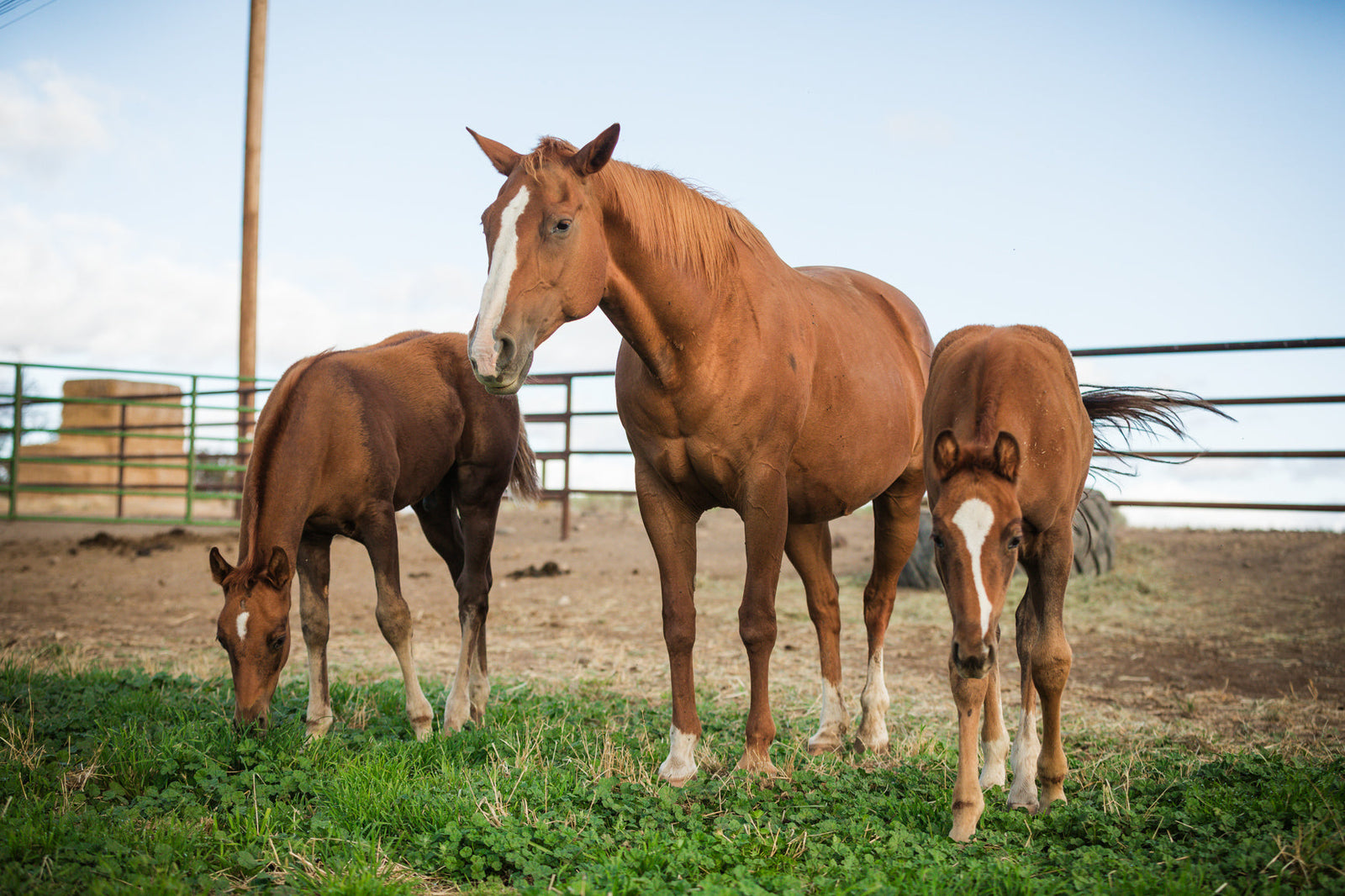
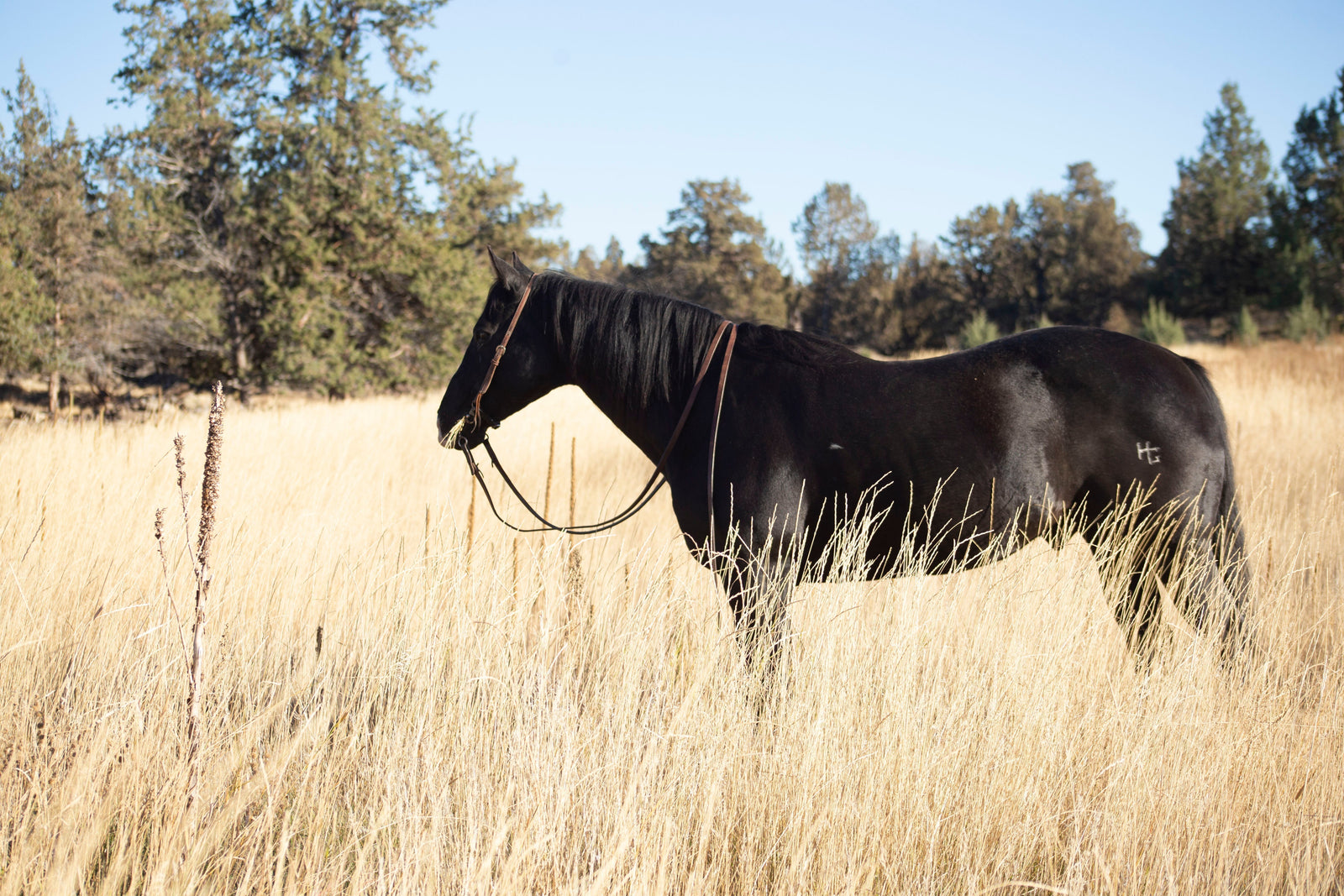
We recently experienced this when our mare, Miss Kay, unexpectedly passed away, leaving behind her 2-month-old colt, Huck. Through this, we learned first-hand about feeding orphan foals and supporting the nurse mare who stepped in.
Why Orphan Foals Face Unique Challenges

Ensuring young orphaned horses develop into healthy adults without their mother’s milk
requires well-considered feeding and management approach. The specific feeding approach depends on the foal's age at the time of orphaning and the available resources.
In addition to nutritional challenges, orphaned foals often face developmental and behavioral challenges due to the absence of maternal interaction and guidance.
Caring for an orphan foal is a significant commitment, requiring time, resources, and knowledge.
Foals are reliant on their mother’s milk to meet their nutritional requirements and support healthy growth.
A mare’s nurturing and other maternal behaviors, such as grooming, physical closeness and teaching them social cues, also play a role in the foal's overall development and well-being.
Why a Foal May Become Orphaned
- Maternal death: This is the most common cause of a foal becoming an orphan. The death of a mare can occur due to complications during birth, health issues, or an accident.
- Mare rejects the foal: Sometimes, mares may reject or display aggressive behavior towards their foal. This rejection can be due to stress, inexperience, illness, or instinctual behaviors.
- Mare’s inability to produce milk: Some mares are unable to lactate or produce sufficient milk to feed their foal. This can be due to health conditions, nutritional deficiencies, or age-related issues.
- Mare’s illness or injury: A mare might be unable to care for her foal due to illness, injury, or post-birth complications.
- Emergency situations: Foals can become orphans if they are rescued from situations where the mare is no longer present or able to care for them, including natural disasters.
Feeding Orphaned Foals
The Role of a Nurse Mare
All foals require a milk-based diet for the first three to four months of life. There are various ways to supply milk to an orphaned foal, including the use of a nurse mare or milk replacers.
Foals orphaned in the first days of life are particularly vulnerable because they are born with an immature immune system. The mare’s first milk contains colostrum, which is rich in antibodies that are essential to protect the foal from infectious diseases. A foal absorbs 85% of colostral antibodies in 6-8 hours. By 24 hours, there is no longer any permeability of the intestinal mucosa to immunoglobins. So it is vital that an orphaned foal receives colostrum during the first 12 to 24 hours of life.

The number of feedings provided to an orphaned foal in a day can influence the growth rate of the foal. Typically, a foal will nurse the mare up to 17 times an hour during the first week of life and then up to three times an hour over the next few weeks of life.
A Nurse Mare is a lactating mare that steps in to foster an orphan foal. These mares may have either recently foaled themselves or been hormonally induced to produce milk. In our case Maria, who had Oopsie on June 5th, automatically stepped in and accepted Huck as a second foal without any human interaction. Nurse Mares provide the foal with nutritional support and establish a nurturing bond with the foal, offering protection and social interaction, which are critical to the foal’s healthy development.
If you are lucky enough to have a mare that accepts a second baby, it is extremely important that you increase the calorie content of the mare’s total diet. She will burn a lot more calories producing enough milk for two babies. So, if not monitored closely their body condition can drop quickly. Providing high-fat feeds will help to pack in more calories.
However, a nurse mare isn’t always possible, and the only other option is to manually bottle or bucket feed the foal using a mare’s milk replacement. This milk can be either another mare’s milk or a powdered mare’s milk replacement. Foals should be fed about 20%-25% of their body weight per day. It is important to consult with your veterinarian throughout this process.
Foals orphaned later, but still before they are typically weaning age of 4 to 6 months, also require special care to meet their nutritional requirements.
Vitamin and Mineral Requirements
A proper balance of all vitamins and minerals is very important for the overall health of the mare and foal. It is important to be aware of the micro minerals and vitamins that are key to health as well. Supplementing your nurse mare with a great vitamin-mineral supplement will ensure that micro minerals requirements of your mare and foal are being met while nursing.

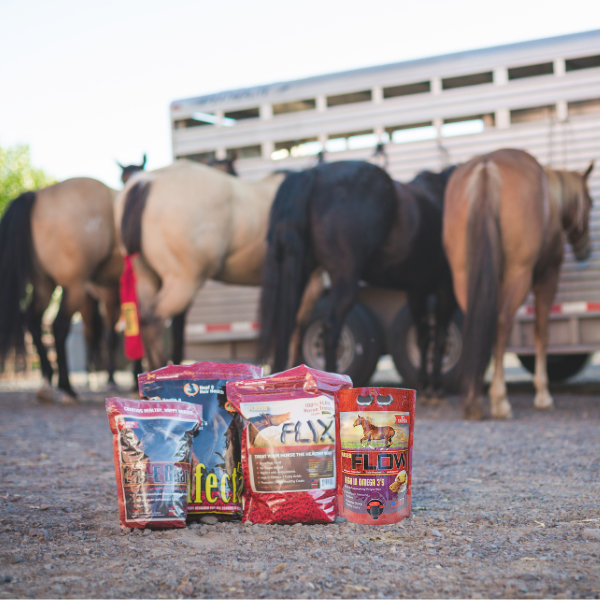
Once the foal is weaned, you can start them on their own vitamin-mineral supplement. Horse Guard, Super Weight Gain, Mega-Dose, and Trifectaall contain a great vitamin-mineral package for your mare and foal, and allow you to cater the best supplement to your mare's individual needs. When putting a lot of time, effort, and money into breeding these beautiful horses, give them the best chance to grow up strong and healthy by providing them with the best nutrition possible. Horse Guard products will help ensure a happy, healthy, high-performance horse.
Dr. Kelsey Nonella, our equine nutritionist, is happy to answer any questions you may have about your orphaned foal’s nutritional needs and help develop a feeding program.
Conclusion
The primary aim in feeding orphaned foals is to provide them with the same milk volume and caloric intake they would naturally get from nursing. It is also important to introduce good-quality forage and other feeds at the right time, simulating the natural progression where a foal learns to eat solid foods. Throughout this process, closely monitoring the foals, health and growth is vital. Regular veterinary check-ups help identify and address any nutritional deficiencies or health concerns
*Disclaimer:
The information provided in this blog is for educational and informational purposes only and is not intended as veterinary or medical advice. Always consult with a qualified veterinarian or equine nutrition professional before making changes to your horse’s diet, supplement program, or health care routine. Individual horse needs may vary.


Leave a comment (all fields required)