



Winter can be one of the highest-risk seasons for colic in horses. As temperatures drop, changes in hydration, feeding routines, turnout, and exercise can all impact digestive health and increase the likelihood of gastrointestinal problems. While some cases of colic are mild, others can quickly become serious and require emergency veterinary care.
One of the most common winter concerns is impaction colic, which occurs when dry feed material moves too slowly through the digestive tract. Reduced water intake, less movement, and abrupt dietary changes create the perfect conditions for digestive slowdowns during colder weather.
Fortunately, many winter colic risks can be reduced with proactive management. Paying close attention to hydration, maintaining consistent feeding practices, supporting gut health, and encouraging movement can all help keep your horse comfortable and healthy throughout the season.
Understanding why horses are more susceptible to colic during winter is the first step toward prevention. Taking proactive steps during winter weather can dramatically reduce your horse’s risk of colic.
Why Horses Are More Susceptible To Colic During Winter
Winter weather brings several management and environmental changes that can increase the risk of colic in horses. Understanding these risk factors can help horse owners make small adjustments that have a big impact on digestive health.

Decreased Water Intake
One of the biggest contributors to winter colic is reduced water consumption. Horses naturally tend to drink less when water becomes too cold, icy, or difficult to access. During the warmer months, horses on pasture also receive additional moisture from fresh grass. Once pasture quality declines and horses transition to hay-based diets, moisture intake drops significantly.
Hay contains far less water than fresh forage, which means horses must drink more to maintain proper digestion. If they do not increase their water intake to compensate, feed material can become dry and move more slowly through the digestive tract, increasing the risk of impaction colic.
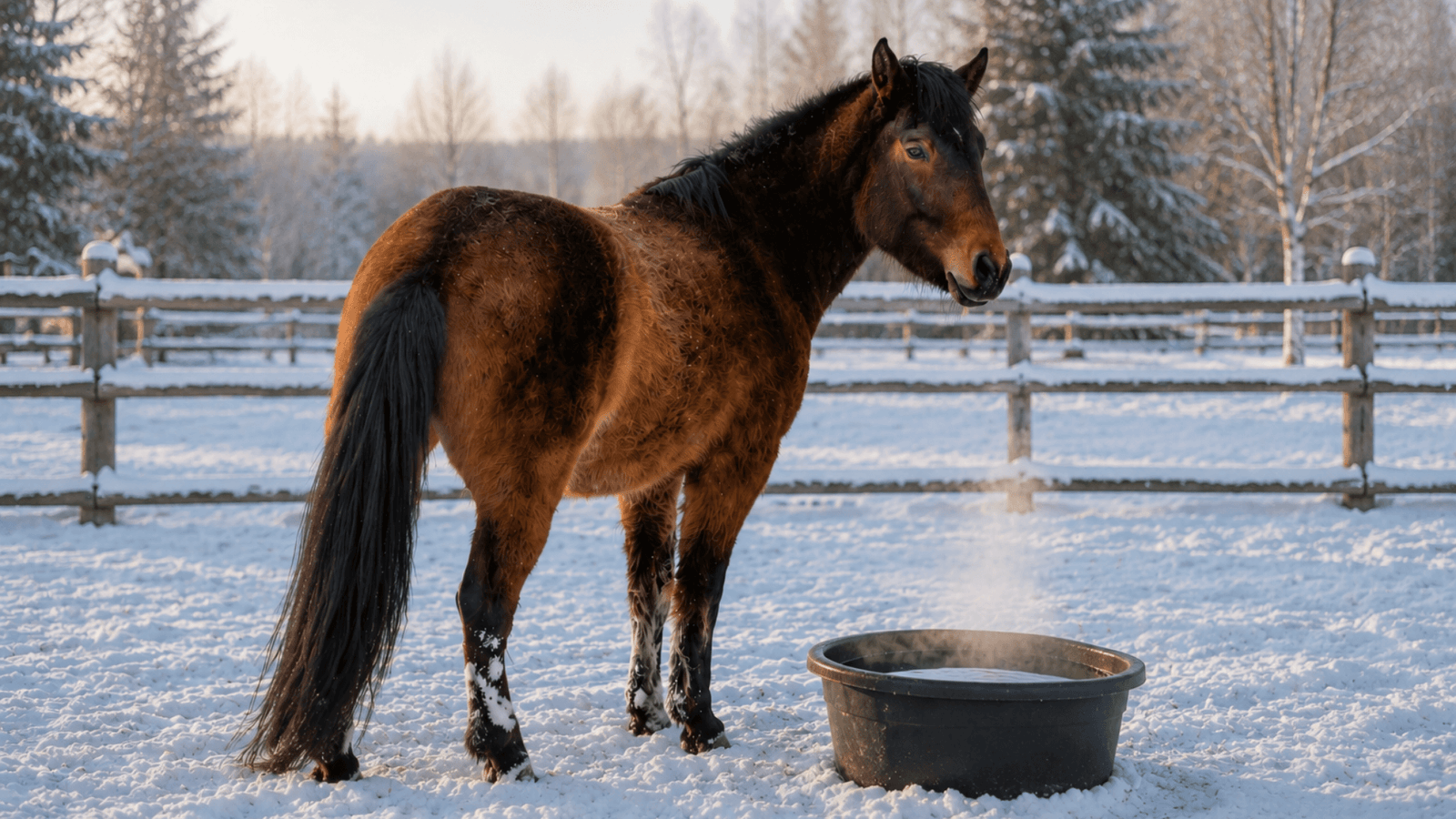
Research has shown that horses drink substantially more water when it is warmed compared to near-freezing temperatures. Providing water around 66°F can encourage better hydration and support healthy gut function throughout the winter months.
Abrupt Diet Changes
Seasonal feeding adjustments can also place stress on the digestive system. As horses move from pasture grazing to increased hay and concentrate feeding, the hindgut microbes responsible for digestion must adapt to these dietary changes.
Sudden feed transitions can disrupt microbial balance within the gastrointestinal tract, leading to digestive upset and increased colic risk. Introducing new hay, grain, or supplements too quickly may not give the digestive system enough time to adjust properly.
Gradually transitioning feeds over 7–10 days helps support hindgut stability and allows horses to adapt safely to winter feeding programs.
Reduced Movement & Gut Motility
Cold temperatures, icy footing, and shorter daylight hours often lead to reduced turnout and exercise during winter. Many horses spend more time stalled, limiting the natural movement that helps stimulate normal gut motility.
On pasture, horses are constantly walking, grazing, and moving throughout the day. This regular movement plays an important role in keeping feed material moving through the digestive tract efficiently. When activity levels decrease, gut motility can slow as well.
The combination of:
- dry forage,
- reduced water intake,
- and decreased movement
creates the perfect environment for impaction colic to develop.
Even light exercise such as hand walking, turnout, lunging, or riding can help support healthy digestion during colder weather.
Increased Nutritional Demands During Cold Weather
Winter weather also increases a horse’s energy requirements. Horses burn additional calories trying to maintain body temperature, especially during prolonged periods of cold, wind, or wet weather.
Senior horses, hard keepers, and horses with underlying digestive challenges may struggle the most during this time of year. If calorie intake and digestive support are not adjusted appropriately, weight loss and digestive inefficiency can become concerns.
Providing adequate forage, consistent feeding schedules, and nutritional support for the gastrointestinal tract can help horses maintain condition and digestive health throughout winter.
Signs And Symptoms Of Colic
Recognizing the early signs of colic is critical. Some horses show only mild discomfort at first, while others may develop more severe symptoms quickly. Paying close attention to changes in behavior, appetite, and manure production during winter can help horse owners identify potential problems early and contact a veterinarian before conditions worsen.

Common signs and symptoms of colic include:
- Lying down more
- Stretching frequently
- Looking round at their sides/flanks
- Pawing the ground
- Kicking their belly
- Box walking or circling
- Reduced interest in feed
- Passing fewer or no droppings
- Change in consistency of droppings
- Sweating and faster breathing
Impaction colic often develops gradually, making subtle changes especially important to monitor during colder weather. Reduced manure output, dry manure, or decreased water consumption can all be early warning signs that the digestive tract is slowing down.
If your horse displays signs of colic, contact your veterinarian promptly. Early intervention can make a significant difference in outcomes and may help prevent more serious complications.
Hydration Strategies To Help Prevent Winter Colic
Proper hydration is one of the most important factors in reducing winter colic risk. Horses that consume enough water are less likely to develop dry intestinal contents that contribute to impactions and reduced gut motility.

Fortunately, a few proactive management practices can help encourage horses to drink more consistently during colder weather.
Warm The Water
Research shows that horses drink significantly more water when it is warmed compared to near-freezing temperatures. Offering water around 66°F can help increase voluntary water intake and support healthy digestion.
Using heated buckets, insulated water troughs, or immersion heaters can make a major difference during cold weather, especially when temperatures drop below freezing.
Offer Soaked Feeds
Adding moisture to the diet is another effective way to support hydration. Soaked hay cubes, soaked hay pellets, beet pulp, and other soaked feeds can increase water intake without drastically changing the feeding program.
This is especially beneficial for:
- senior horses,
- horses prone to impaction colic,
- and horses that naturally drink less during winter.
Encourage Drinking With Salt
Providing free-choice salt can help stimulate thirst and support electrolyte balance. Horses should always have access to a salt block or loose salt as part of their winter feeding program.
Adequate sodium intake encourages horses to drink more consistently, helping maintain hydration and digestive function.
Check Water Sources Frequently
Frozen or poorly functioning water sources are a common winter problem. Automatic waterers, troughs, and buckets should be checked multiple times daily to ensure horses always have access to fresh, unfrozen water.
If heated systems are not available, ice should be broken and removed regularly throughout the day.

Keep Water Buckets Clean
Horses can be surprisingly sensitive to dirty water. Algae, feed debris, or buildup inside buckets may discourage drinking.
Regularly cleaning buckets and troughs helps ensure water remains fresh, appealing, and easily accessible.
Consistent hydration management is one of the simplest yet most effective ways to help reduce the risk of winter colic.
Feed & Management Adjustments For Winter Gut Health
Winter feeding and management routines have a direct impact on digestive health. Maintaining consistency and supporting natural digestive function can go a long way toward reducing colic risk during colder months.
Increase Forage & Reduce Concentrates
Forage plays an essential role in both digestive health and body temperature regulation. As horses digest hay and forage, microbial fermentation within the hindgut generates heat, helping horses stay warm naturally.
Providing plenty of high-quality forage throughout winter supports:
- healthy gut motility,
- stable microbial populations,
- and steady digestive activity.
In many cases, increasing forage intake is preferable to heavily increasing concentrate feeds.
Avoid Sudden Diet Changes
Any feed transition should be made gradually to minimize stress on the digestive system. This includes:
- switching hay types,
- introducing concentrates,
- or adding supplements.
Gradual transitions over 7–10 days allow hindgut microbes time to adapt and reduce the likelihood of digestive upset.
Use Slow Feeders
Slow feeders can be a valuable tool during winter months, particularly for stalled horses or horses spending more time indoors.
Benefits of slow feeders include:
- extending forage consumption time,
- promoting more natural grazing behavior,
- maintaining steady gut movement,
- and reducing boredom-related stress.
Continuous forage availability helps support healthy digestion and may reduce periods where the stomach remains empty for extended periods. Learn more about the benefits of continuous foraging here.
Maintain Exercise & Movement

Movement is important for stimulating gut motility. Even when riding schedules change during winter, maintaining some level of daily activity can support digestive health.
Helpful options include:
- turnout when conditions allow,
- hand walking,
- lunging,
- or light riding sessions.
Even moderate movement can help keep the digestive tract functioning more efficiently.
Stay Current On Dental & Deworming Care
Dental health plays a major role in digestion. Horses that cannot chew forage efficiently may be at increased risk for digestive issues and impactions.
Regular dental exams help ensure horses are properly chewing and processing feed.
Maintaining an effective deworming program is also important, as parasite burdens can contribute to gastrointestinal irritation and colic risk.
Supporting Digestive Health With Proper Nutrition
Winter can place additional stress on the equine digestive system, making nutritional support especially important during colder months. Senior horses, hard keepers, and horses with a history of digestive sensitivity may benefit from added gastrointestinal support as feeding programs and environmental conditions change.
Supporting the hindgut microbiome can help maintain digestive efficiency, nutrient absorption, and overall gastrointestinal health throughout winter.
The Role Of Probiotics, Prebiotics & Live Yeast Cultures
Probiotics are beneficial live bacteria that help support microbial balance within the gastrointestinal tract. Maintaining a healthy microbial population is important for digestion, immune support, and overall gut stability.
Prebiotics help nourish beneficial microorganisms already present in the digestive system, supporting the growth and activity of healthy gut bacteria.
Live yeast cultures may help:
- stabilize hindgut pH,
- support fiber digestion,
- and improve digestive efficiency.
Together, these ingredients can help support horses experiencing:
- seasonal stress,
- dietary changes,
- weight maintenance challenges,
- or digestive disruptions during winter.
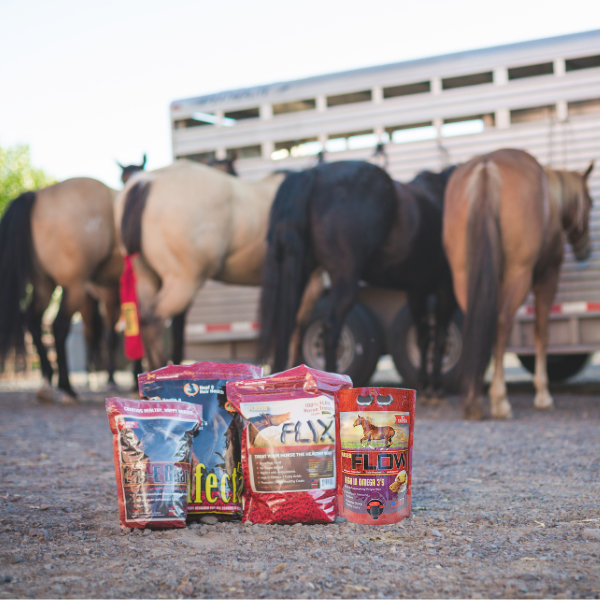
Horse Guard Digestive Support Products

Horse Guard offers several products designed to support digestive health and overall condition during the winter months.
Gut Guard
Gut Guard contains prebiotics, probiotics, and live yeast cultures formulated to help stabilize the gastrointestinal tract and support digestive function.
Super Weight Gain
Super Weight Gain provides additional digestive and nutritional support for hard keepers and horses needing help maintaining healthy body condition during colder weather.
Trifecta
Trifecta supports digestive health with ingredients designed to promote gut balance and overall gastrointestinal wellness.
Incorporating digestive support products into a consistent winter feeding program may help horses adapt more effectively to seasonal stressors while maintaining digestive comfort and performance.
Conclusion

Winter brings several changes that can increase the risk of colic in horses, including reduced water intake, hay-based diets, decreased movement, and changes in routine. While these seasonal challenges are common, many cases of winter colic can be reduced through proactive management and consistent digestive support.
Focusing on hydration, maintaining steady forage intake, encouraging movement, and supporting gut health can all help keep the digestive system functioning properly during colder months.
Monitoring your horse closely for early warning signs and making gradual adjustments to feeding and management routines can make a significant difference in reducing winter colic risk.
To help support your horse’s digestive health this winter, shop Horse Guard’s gut health and nutritional support products, including Gut Guard, Super Weight Gain, and Trifecta.


Leave a comment (all fields required)