



Selenium Deficiency in Horses: A Hidden Cause of Foaling Complications
Inspired by the case report “Uterine Inertia due to Severe Selenium Deficiency in a Parturient Mare” (Busse & Uberti, 2020)

When a Mare Won’t Foal and No One Knows Why
Most foaling complications are caused by things we can easily identify—foal malposition, an oversized baby, or a mare that is simply exhausted. But what happens when none of those reasons fit, and a mare’s uterus still refuses to contract?
A recent veterinary case revealed a surprising root cause: severe selenium deficiency.
This case underscores how essential trace minerals are—particularly selenium—not just for everyday health, but for broodmare well-being and normal foaling.
A Real Veterinary Case of Selenium Deficiency and Uterine Inertia
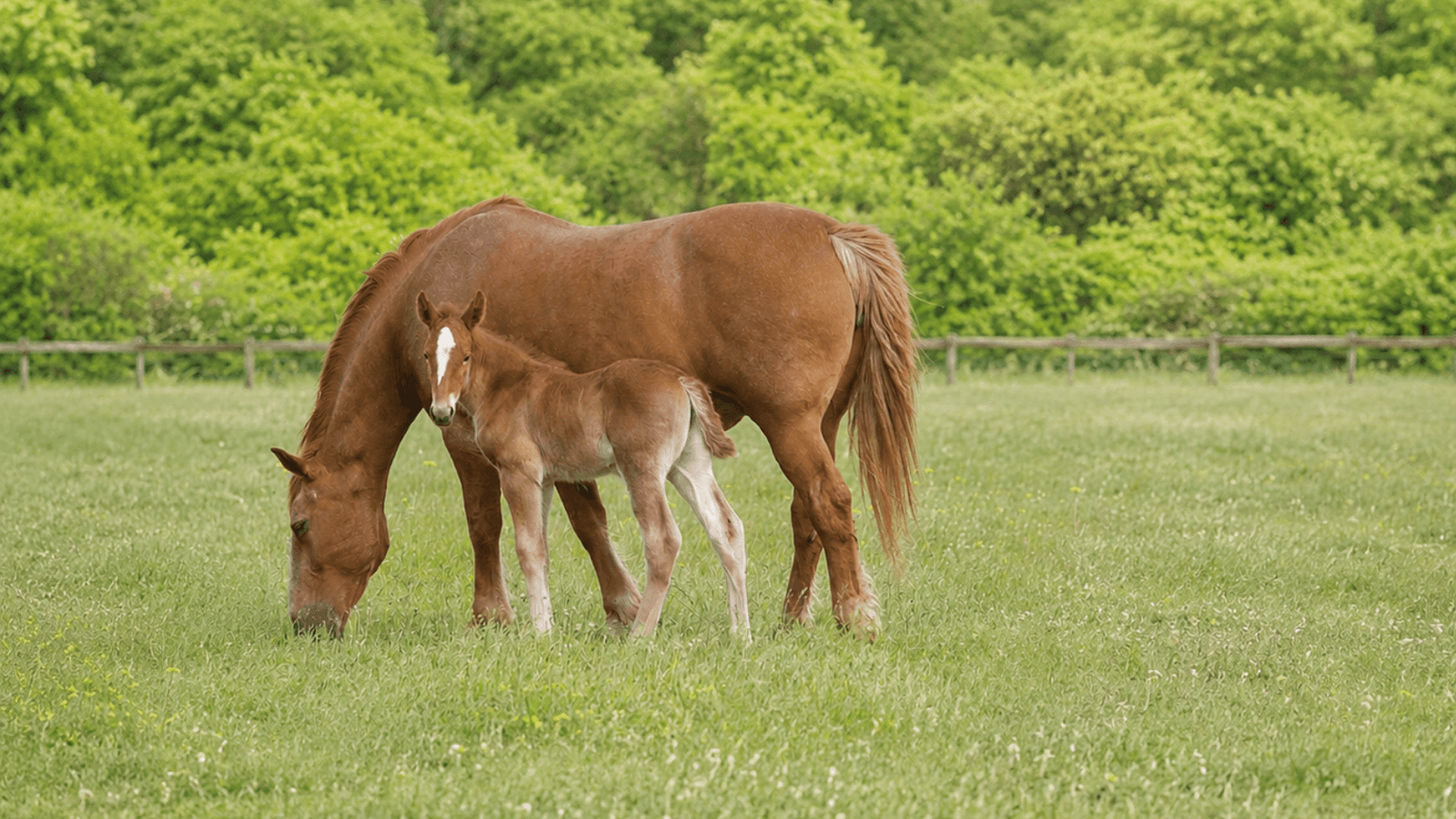
A 12-year-old recipient mare was a week overdue. All signs suggested she was ready to foal, but when veterinarians attempted to stimulate labor, her uterus would not respond. This condition, called uterine inertia, made natural foaling impossible.
A C-section delivered a live filly, but the foal showed signs of white muscle disease, the classic indicator of selenium deficiency. Testing then confirmed severe deficiency in the mare, the foal, and the entire herd.
Why Selenium Is Essential for Broodmares
Many horse owners know selenium is important for muscle function and antioxidant defense. What’s less known is its critical role in reproduction.
Selenium Supports Uterine Muscle Function
Selenium is essential for smooth muscle performance, including the muscles of the uterus.
When selenium levels are critically low, the uterus may not have the strength to contract normally, even when a mare appears otherwise healthy.
This case demonstrates how a simple nutritional gap can create a high-risk foaling situation.
White Muscle Disease: A Warning Sign in Newborn Foals
The newborn filly’s white muscle disease confirmed the mare had been deficient for some time. When a broodmare is lacking essential trace minerals, the foal often is too.
This is why an entire herd’s mineral program—not just one horse’s—matters.

What Horse Owners Can Learn From This Case
1. Selenium deficiency can affect the foaling process
It’s not just a muscle or immune issue—this case ties it directly to uterine function.
2. Broodmares need consistent trace mineral support
Late gestation increases nutritional demands.
3. Many regions have naturally low-selenium forage
Especially the Pacific Northwest, parts of the Midwest, and the East Coast.
4. Testing can reveal long-term deficiency
Whole Blood selenium or RBC glutathione peroxidase can be useful tools.
5. Supplementation is simple, cost-effective, and highly protective
And consistency is key.
Why Horse Guard Was Developed for Selenium-Deficient Areas
Selenium deficiency is one of the most preventable nutritional problems in horses—especially in states with selenium-poor soils. Horse Guard was originally created specifically to solve this exact issue.
Here’s why many broodmare farms rely on Horse Guard products:
✔ Balanced Selenium in an Evidence-Based Amount
Horse Guard provides 3 mg of organic selenium per daily dose—an amount designed to support whole-body selenium status. This is especially important for mares in selenium-deficient regions.
✔ Organic Selenium for Better Utilization
Not all forms of selenium are absorbed equally. Horse Guard uses organic selenium yeast, which research shows is more bioavailable and supports long-term selenium status more effectively than inorganic forms.
✔ Includes Vitamin E
Vitamin E works hand-in-hand with selenium. Horse Guard products include vitamin E, an important nutrient for broodmares not on green pasture.
✔ Consistent Daily Coverage
Broodmares thrive on predictable nutrition. A simple daily dose ensures mares receive dependable support throughout gestation, foaling, and lactation—even when hay quality varies.
✔ Complete Trace Mineral Support
Selenium doesn’t work alone. Horse Guard includes zinc, copper, manganese, iodine, and other essential minerals in ratios designed for real-world forage diets.
✔ Trusted for Over 40 Years
Founded in the selenium-deficient Pacific Northwest in 1978, Horse Guard has been used by generations of breeders who needed reliable, science-based supplementation.
How Horse Guard Supports Broodmares Throughout Pregnancy
Adding a daily selenium-balanced supplement like Horse Guard can help support:
- Normal muscle function
- Healthy antioxidant status
- Broodmare well-being during gestation
- Nutritional support for developing foals
- Consistent mineral intake when forage varies
- Herd-level nutritional balance in selenium-poor regions
While no supplement can prevent all foaling complications, meeting a mare’s mineral needs is one of the most meaningful and controllable pieces of reproductive management.
Final Thoughts
This remarkable case shows how something as small as a trace mineral can have major reproductive implications. Severe selenium deficiency led to uterine inertia in a seemingly healthy mare—an issue avoidable with proper nutrition.
A simple, consistent supplementation program—such as the Horse Guard line of vitamin/mineral products—helps ensure mares receive the essential support they need throughout pregnancy, foaling, and beyond.



Leave a comment (all fields required)