



As temperatures drop and pastures begin to change, your horse's nutritional needs may change too. Are you making any of these common fall feeding mistakes?
Fall is a beautiful time of year for horse owners, bringing cooler temperatures, changing leaves, and a welcome break from the summer heat. But as the seasons shift, so do the challenges of keeping horses healthy and properly nourished.
Changes in pasture quality, fluctuating temperatures, and adjustments to feeding routines can all affect your horse's health and well-being.
Whether you're caring for a retired pasture companion or a competitive performance horse, avoiding these seven common fall feeding mistakes can help keep your horse happy and healthy heading into winter.
1. Assuming Fall Pastures Are Always Safe
One of the biggest misconceptions about fall grazing is that cooler temperatures automatically mean safer grass.
In reality, fall pastures can present nutritional challenges, especially for horses prone to laminitis, insulin dysregulation, or equine metabolic syndrome (EMS).
During sunny days followed by cold nights, particularly when temperatures approach freezing, certain grasses can accumulate higher concentrations of nonstructural carbohydrates (NSC), including sugars.
What to do instead:
- Monitor pasture conditions, especially after cold nights and during periods of bright sunshine.
- Consider limiting grazing time for horses with metabolic concerns.
- Use a grazing muzzle or dry lot when appropriate.
- Consult your veterinarian or equine nutritionist about safe grazing strategies for sensitive horses.
Remember: Just because the grass isn't growing as quickly doesn't mean its sugar content is necessarily low.
2. Not Adjusting Forage as Pasture Quality Declines
As fall progresses, pasture growth typically slows, and available forage may become less abundant.
One common mistake is continuing the same feeding routine without accounting for the decline in available pasture.
Horses are designed to consume forage throughout the day, and inadequate forage intake can contribute to weight loss, digestive disturbances, and undesirable behaviors.
What to do instead:
- Evaluate how much usable pasture your horse actually has available.
- Gradually introduce additional hay as pasture availability decreases.
- Provide consistent access to quality forage.
- Monitor body condition and adjust intake accordingly.
As a general starting point, many horses consume approximately 1.5% to 2% of their body weight in forage dry matter daily, although individual needs vary.
Horse Guard Tip: Consistent forage intake is one of the foundations of a healthy equine digestive system. Gut Guard can be incorporated into a balanced feeding program to provide supplemental probiotic and yeast support during seasonal feeding transitions.
3. Forgetting About Water Intake
When temperatures cool, some horses naturally drink less water.
Unfortunately, reduced water intake combined with increased consumption of dry hay can raise the risk of impaction colic.
Just because your horse isn't sweating as much as during the summer doesn't mean hydration becomes less important.
What to do instead:
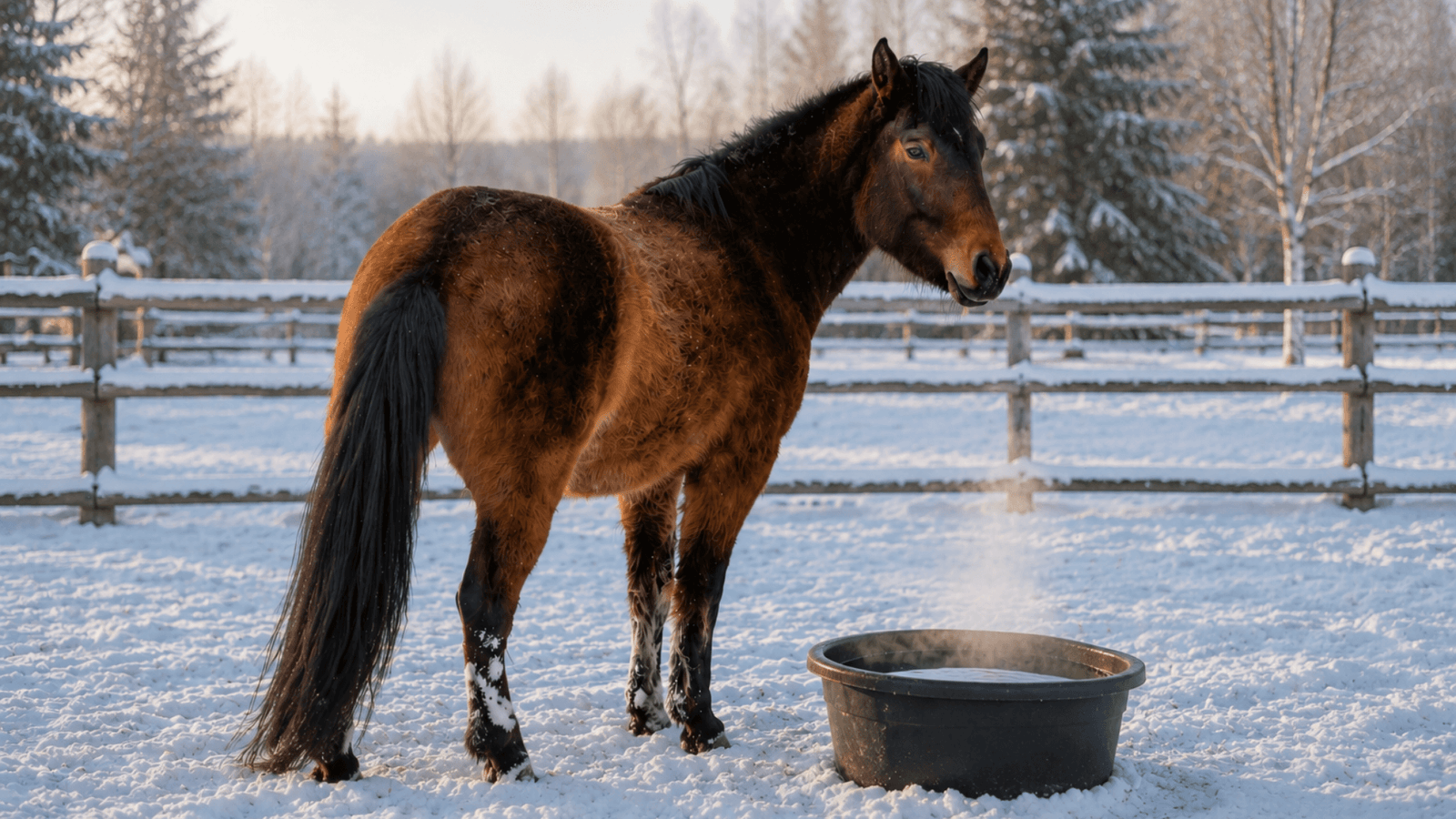
- Provide constant access to fresh, clean water.
- Check water troughs regularly for freezing or debris.
- Consider offering slightly warmed water during colder weather.
- Soak appropriate feeds when additional dietary moisture is needed.
- Monitor manure consistency and changes in drinking habits.
Did you know? Research has shown that horses may drink more water in cold weather when it is warmed rather than near freezing.
Hydration is just as important in October and November as it is in July!
4. Overlooking Essential Vitamins and Minerals
When horses transition from fresh pasture to a hay-based diet, their vitamin and mineral intake can change.
While quality hay provides valuable nutrients, it may not consistently supply every vitamin and mineral a horse requires.
For example, vitamin E content typically declines during hay storage, making adequate vitamin E intake particularly important for horses with limited access to fresh pasture.
What to do instead:
- Evaluate your horse's entire diet, including hay, concentrates, and supplements.
- Consider forage testing to identify nutritional gaps.
- Ensure adequate vitamin and mineral intake without unnecessary duplication.
- Pay particular attention to nutrients that may be less available in stored forage.
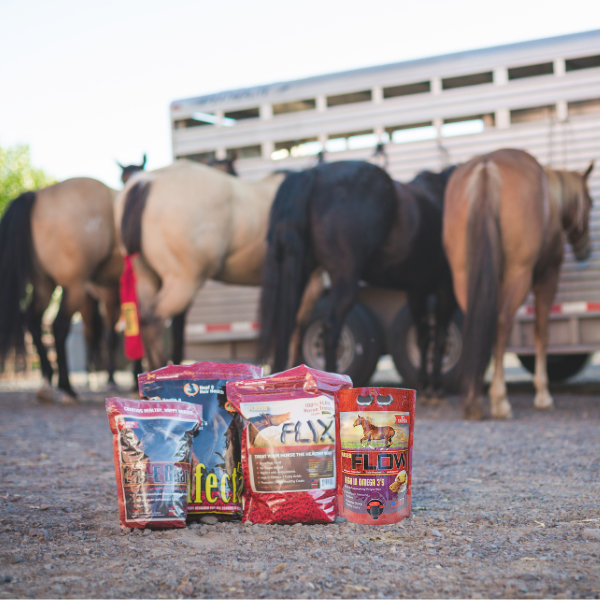
Horse Guard Tip: Horse Guard's daily vitamin and mineral supplements, including original Horse Guard and Trifecta, are designed to help support balanced nutrition. For horses requiring additional vitamin E, Flaxen Eas-E Guard may be an option when appropriate for their overall diet.
Remember that more supplementation isn't always better. Certain nutrients, including selenium, can be harmful when supplied in excess.
5. Making Sudden Feed Changes
Fall often brings changes in hay suppliers, pasture access, grain rations, and supplementation.
While these adjustments may be necessary, changing a horse's diet too quickly can disrupt the digestive system.
The microbial population in a horse's hindgut needs time to adapt to changes in feed composition.
What to do instead:
- Introduce new feeds gradually, typically over 7 to 14 days when practical.
- Mix increasing amounts of new hay with the previous forage supply.
- Avoid making multiple major dietary changes at once.
- Watch for changes in appetite, manure, and behavior.
Horse Guard Tip: Gut Guard provides supplemental probiotics and yeast that can be part of a digestive-support program. However, no supplement replaces gradual dietary transitions and consistent forage management.
6. Waiting Until Winter to Monitor Body Condition
A thickening fall coat can make it harder to notice changes in a horse's weight.
Horses that enter winter underweight may struggle to maintain condition as colder temperatures increase energy requirements.
On the other hand, overweight horses and easy keepers may not need additional calories simply because temperatures are dropping.
What to do instead:
- Assess your horse's body condition regularly using the 1-to-9 Henneke scale.
- Use a weight tape to track changes over time.
- Feel along the ribs, neck, and tailhead rather than relying only on appearance.
- Adjust caloric intake based on body condition, workload, forage quality, and weather.
Horse Guard Tip: For horses needing additional calories, products such as Super Weight Gain or Flaxen Flow may be useful components of an appropriately balanced feeding program.
Remember, extra calories should be based on your horse's actual needs, not simply the season.
7. Assuming Every Horse Needs the Same Fall Feeding Plan
Not every horse responds to seasonal changes the same way.
A senior horse with dental challenges, an easy keeper prone to laminitis, and a performance horse in heavy training all have very different nutritional requirements.
A one-size-fits-all feeding program can result in nutritional deficiencies, excessive calorie intake, or unnecessary supplementation.
What to do instead:
- Consider your horse's age, workload, metabolism, and overall health.
- Evaluate individual body condition and forage intake.
- Make adjustments based on your horse's needs rather than what works for another horse in the barn.
- Work with an equine nutritionist or veterinarian when developing a feeding program for horses with special dietary requirements.
Horse Guard Tip: From daily vitamins and minerals to digestive, hoof, metabolic, and joint support, Horse Guard offers nutritional options to help owners build individualized feeding programs.
Set Your Horse Up for a Healthy Winter
Fall is the perfect time to take a closer look at your horse's feeding routine.
Small adjustments now, such as monitoring pasture sugars, increasing forage as needed, maintaining hydration, and ensuring balanced nutrition, can make a meaningful difference as winter approaches.
The key is recognizing that seasonal changes affect every horse differently.
A healthy winter starts with smart fall feeding decisions.
At Horse Guard, we've been helping horse owners support happy, healthy horses since 1978. Whether you're looking to balance your horse's daily nutrition or address specific nutritional concerns, we're here to help.
Have questions about your horse's fall feeding program?
Visit HorseGuard.com to explore our supplements, or reach out to our equine nutrition team at horsenutrition@horseguard.com for personalized guidance.
Happy, Healthy Horses since 1978.



Leave a comment (all fields required)