



Building muscle on a horse is a lot like building a house. Your training program is the architectural plan and the labor, but the feed you provide is the lumber, bricks, and mortar. You can have the best plan in the world, but if you’re using low-quality materials, the structure will be weak. For your horse, those materials are high-quality proteins, essential amino acids, and digestible energy. This article will teach you how to read a feed tag like a professional, helping you select the best horse feed for muscle gain and ensuring you’re supplying the premium materials your horse needs to build a strong, sound, and powerful body.
Key Takeaways
- Prioritize protein quality, not just quantity: Effective muscle gain depends on essential amino acids like lysine, threonine, and methionine. Check feed tags for these specific ingredients, as they are the true building blocks for muscle and are more important than the overall protein percentage.
- Combine nutrition with exercise for real results: A solid exercise program signals the need for muscle, while a balanced diet provides the materials for growth. This powerful combination starts with quality forage and is supported by the right concentrate to build a strong topline.
- Track progress with your hands and eyes: Use the Topline Evaluation System (TES) to physically feel for muscle development along your horse's withers, back, and croup. This simple, hands-on method is the best way to know if your feeding plan is working and when to make adjustments.
What Does a Horse Need to Build Muscle?
Building muscle and a strong topline in your horse goes beyond just exercise. The right nutrition provides the essential foundation for developing strength, power, and stamina. Think of it like building a house: you need high-quality materials for a sturdy structure. For your horse, those materials are specific nutrients that work together to repair and grow muscle tissue. Without them, all the lunging and hill work in the world won't deliver the results you’re looking for.
A complete muscle-building diet focuses on three key areas: high-quality protein rich in essential amino acids, adequate energy from fats and carbohydrates, and the right vitamins and minerals to support muscle function. Getting this balance right is the secret to helping your horse achieve peak physical condition. Let’s break down what your horse truly needs.
The Truth About Protein: Quality Over Quantity
When we think about building muscle, protein is usually the first thing that comes to mind. However, simply adding more protein to your horse's diet isn't the answer. The effectiveness of protein lies in its quality, which is determined by its amino acid profile. Amino acids are the individual building blocks that form protein. When your horse digests protein, it's these amino acids that are absorbed and used to repair and build new muscle tissue after exercise.
If a protein source is missing key amino acids, your horse can't use it effectively to build muscle. That’s why recent equine research emphasizes that the type and quality of dietary protein significantly impact muscle development. Focusing on providing a complete profile of amino acids is far more important than just looking at the crude protein percentage on a feed tag.
Meet the Essential Amino Acids: Lysine, Methionine, and Threonine
Among the 21 amino acids, some are considered "essential" because your horse cannot produce them; they must be supplied through diet. For muscle development, the three most critical essential amino acids are lysine, threonine, and methionine. Lysine is often called the "first limiting" amino acid because if it's deficient, it limits the horse's ability to use any of the other amino acids for muscle synthesis, no matter how abundant they are.
Unfortunately, many common forages like hay and pasture grass don't contain enough of these crucial amino acids to meet the demands of an exercising horse. This creates a nutritional gap that can prevent your horse from building a strong topline and muscle mass. Supplementing with these specific amino acids ensures your horse has all the necessary building blocks for proper muscle growth.
Fueling Muscle Growth: Fats and Carbohydrates
While amino acids are the building blocks, your horse still needs energy to fuel both exercise and the muscle-building process itself. This energy comes primarily from fats and carbohydrates. Carbohydrates provide the immediate fuel needed for performance, while fats offer a concentrated, slow-release energy source that also helps your horse maintain a healthy body weight and a shiny coat.
It's a common mistake to rely only on high-fat feeds to improve condition. While fat adds calories, it doesn't provide the protein needed for muscle synthesis. For optimal muscle and topline development, your horse needs a feed that is balanced in both high-quality protein and digestible energy sources. This combination ensures they have the fuel to perform and the materials to recover and build muscle afterward.
Key Vitamins and Minerals for Muscle Support
Vitamins and minerals are the unsung heroes of muscle development. They act as catalysts for countless bodily functions, including muscle contraction, energy metabolism, and tissue repair. Antioxidants like Vitamin E and selenium are particularly important for exercising horses. They work together to protect muscle cells from the oxidative stress and damage that occurs during exercise, which helps reduce soreness and speed up recovery time.
A diet with balanced protein and energy can still fall short if it's deficient in these key micronutrients. Ensuring your horse receives adequate vitamins and minerals is crucial for supporting overall health and maximizing the benefits of your training program. You can find these essential nutrients in a comprehensive supplement like our Horse Guard formula, which is designed to fill the nutritional gaps left by forage.
How to Choose the Best Feed for Muscle Gain
Walking down the feed store aisle can feel overwhelming. Every bag promises incredible results, but the secret to choosing the right feed for muscle gain isn't about flashy marketing. It’s about learning to read a feed tag like a pro and understanding what your horse truly needs to build and maintain strong muscles. A balanced diet is a puzzle, and the concentrate you choose is just one piece.
To make the best choice, you need to look past the brand name and focus on the nutritional building blocks inside. This means examining the protein sources, checking for key amino acids, evaluating the energy content, and never, ever forgetting that a high-quality forage is the foundation of it all. By following a few key steps, you can confidently select a feed that provides targeted support for your horse's muscle development and overall health. Let's break down exactly what to look for.
Identify High-Quality Protein Sources
When it comes to building muscle, the quality of the protein in your horse's feed matters far more than the overall quantity. While many feeds use soybean meal as a primary protein source, it doesn't always provide the ideal mix of amino acids your horse needs for optimal muscle growth. Research shows that a protein's effectiveness is tied to how closely its amino acid profile matches the composition of equine muscle tissue.
Look for feeds that use high-quality protein sources like whey, alfalfa, or potato protein. These ingredients offer a more complete amino acid profile, giving your horse the specific tools required for muscle repair and development. Don't just glance at the crude protein percentage on the tag; take a moment to read the ingredient list to see where that protein is coming from.
Check the Amino Acid Profile and Protein Content
Think of amino acids as the individual bricks needed to build a wall of muscle. Your horse can produce some on their own, but "essential" amino acids must come from their diet. For muscle development, the three most important ones to look for are lysine, methionine, and threonine. Lysine is typically the first limiting amino acid, meaning if there isn't enough of it, the horse's body can't use the other amino acids to build protein effectively.
When comparing feeds, look for those that guarantee the levels of these essential amino acids on the tag. This is a clear sign that the manufacturer has formulated the feed with muscle support in mind. Studies confirm that feeding a balanced protein source directly contributes to improved muscle mass in exercising horses, making this a critical factor in your decision.
Evaluate Fat Content and Digestible Energy
Building muscle requires a lot of energy. While carbohydrates are a quick source of fuel, fat provides a steadier, "cool" energy that supports sustained effort and recovery without the fizzy behavior sometimes linked to high-grain diets. Feeds with a higher fat content, often from sources like flaxseed, rice bran, or vegetable oils, supply the calories needed for both work and muscle repair.
This slow-release energy is especially beneficial for performance horses. It helps spare protein and glycogen stores, allowing them to be used for muscle-building rather than just for energy. Some research even suggests that providing protein shortly after exercise can help horses build muscle, and having adequate digestible energy available is key to making that process efficient.
Prioritize Ingredient Quality and Absorption
A feed is only as good as what your horse can absorb from it. This is where ingredient quality and bioavailability come into play. High-quality, digestible ingredients ensure that the nutrients listed on the feed tag actually make it into your horse's system to do their job. For example, chelated minerals are bonded to amino acids, making them easier for the horse's body to absorb compared to inorganic forms.
While it's tempting to think you can simply feed your way to a stronger horse, you can't force muscle growth with diet alone. In fact, dietary changes typically result in only a modest increase in muscle glycogen, the fuel stored in muscles. Instead of looking for a magic bullet, choose feeds with transparent ingredient lists and minimal fillers to ensure your horse gets the most out of every bite.
Start with a High-Quality Forage Foundation
No concentrate feed, no matter how expensive or well-formulated, can compensate for poor-quality forage. Hay or pasture should always be the cornerstone of your horse's diet, providing the essential fiber needed for a healthy digestive system. A healthy gut is crucial because it's responsible for absorbing all the valuable nutrients from the feed you provide.
Before you even decide on a concentrate, assess the quality of your horse's forage. If possible, have your hay analyzed to understand its protein, sugar, and mineral content. This information will empower you to choose a feed that fills any nutritional gaps without over-supplementing. If you need help balancing your horse's diet, you can always ask our equine nutritionist for guidance tailored to your horse's specific needs.
Understanding Different Feed Formulations
Walking down the feed store aisle can feel overwhelming. With so many bags promising amazing results, how do you know which formulation is right for your horse's muscle-building journey? It helps to break them down into a few main categories. Each type of feed has a specific purpose, and understanding their pros and cons will help you make a more informed choice that aligns with your horse's individual needs, exercise level, and existing diet. Let's look at the most common options you'll encounter.
Common Traits of Effective Muscle-Building Feeds
No matter the brand or type, any feed designed for muscle gain should have one thing in common: high-quality protein. Adequate muscle mass is essential for your horse to perform well and stay sound, and the type of protein in their diet directly impacts how effectively they can build and repair muscle tissue. An effective feed will provide a strong profile of essential amino acids, the building blocks of protein. Think of it this way: you can give your horse all the protein in the world, but if it’s missing the key ingredients, their body can’t use it efficiently. The best equine research consistently shows that protein quality, not just quantity, is what truly moves the needle for muscle development.
Pros and Cons of High-Protein Concentrates
High-protein concentrates are exactly what they sound like: grain mixes with an elevated protein percentage. The main advantage is that they provide a direct, calorie-dense source of protein to support an intense workload. Some studies even show that providing protein shortly after exercise can help horses build muscle mass. However, the downside is that "high protein" doesn't always mean "high quality." If the feed doesn't contain a balanced profile of essential amino acids, you may not see the results you’re hoping for. These feeds can also be too calorie-rich for horses that maintain their weight easily, potentially leading to unwanted fat gain instead of lean muscle.
Pros and Cons of Ration Balancers
Ration balancers are a fantastic tool, especially for horses on a forage-only diet or those who are easy keepers. Hay and pasture often lack sufficient levels of key amino acids like lysine, methionine, and threonine. A ration balancer is a concentrated pellet that fills these nutritional gaps without adding a lot of extra calories, sugar, or starch. The biggest pro is that you can ensure your horse gets the crucial protein building blocks they need to develop a healthy topline. The main con is that a ration balancer alone may not provide enough energy for a horse in heavy work. In those cases, you might need to pair it with another calorie source.
Pros and Cons of High-Fat Performance Feeds
High-fat feeds are popular for hard keepers and performance horses because they are an excellent source of "cool" calories, helping with weight gain and a beautiful, shiny coat. The fat provides slow-release energy that’s great for stamina. However, a major misconception is that fat builds muscle. It doesn't. Fat is for calories and condition, while protein is for muscle. The downside of a strictly high-fat feed is that it won't do much for your horse's topline if it isn't also high in quality protein. For a horse that needs to gain both weight and muscle, you'll want to find a feed that is formulated to be high in both fat and protein.
Do Horses Need Supplements for Muscle Gain?
While a well-rounded diet and consistent exercise are the cornerstones of muscle development, supplements can be a game-changer. Think of them as the targeted support your horse needs to make the most of their training. Research shows that providing the right nutrients, particularly protein, shortly after exercise can significantly help build muscle mass. It’s not about replacing good feed; it’s about filling in the nutritional gaps to help your horse feel and perform their best. For many horses, especially those in regular work, their diet alone may not provide the specific building blocks required for strong, healthy muscles.
Recognizing When Feed Isn't Enough
It’s a common misconception that as long as your horse is getting enough feed, they’re getting everything they need. Unfortunately, that’s not always the case. The most common horse feeds, like hay, often don't contain sufficient levels of the essential amino acids required for muscle synthesis. Key players like lysine, methionine, and threonine can be in short supply. Without these, your horse’s body simply can’t build muscle tissue effectively, no matter how much protein they consume. If you’ve noticed a lack of muscle development or a poor topline despite a solid exercise program, it might be time to evaluate their diet more closely.
Essential Supplements to Complement Your Horse's Diet
To truly support muscle development, you need to focus on providing the right ingredients. It’s all about quality over quantity. Supplying essential amino acids is crucial because your horse cannot produce them on their own; they must come from the diet. These amino acids are the building blocks for the muscles along their back, often called the "topline." If a horse's diet is deficient in even one of these essential amino acids, their ability to build muscle comes to a halt. Adding a supplement that specifically provides these key nutrients ensures your horse has all the necessary components for muscle growth and repair, especially after a workout.
Explore Horse Guard's Muscle-Support Solutions
Proper nutrition is the foundation for everything you ask your horse to do, from trail riding to competing. Ensuring they get the right amino acids is vital for muscle growth and recovery, arguably even more so than exercise alone. If you suspect your horse's feed is falling short, a high-quality supplement can bridge that gap. Our products are formulated to provide the essential nutrients that are often missing from a horse's diet. You can explore our complete line of equine nutritional supplements to find the perfect solution that delivers the targeted support your horse needs to build and maintain healthy muscle.
How Much to Feed Your Horse for Muscle Gain
Figuring out the right amount of feed for muscle gain isn't just about scooping more grain into the bucket. It’s about providing the precise amount of high-quality nutrients your horse needs to support their specific workload and build a strong, healthy topline. Too little, and you won't see results; too much, and you risk digestive upset or unwanted energy. The key is to create a balanced plan tailored to your individual horse, using their age, activity level, and current condition as your guide.
Follow Guidelines for Age and Activity Level
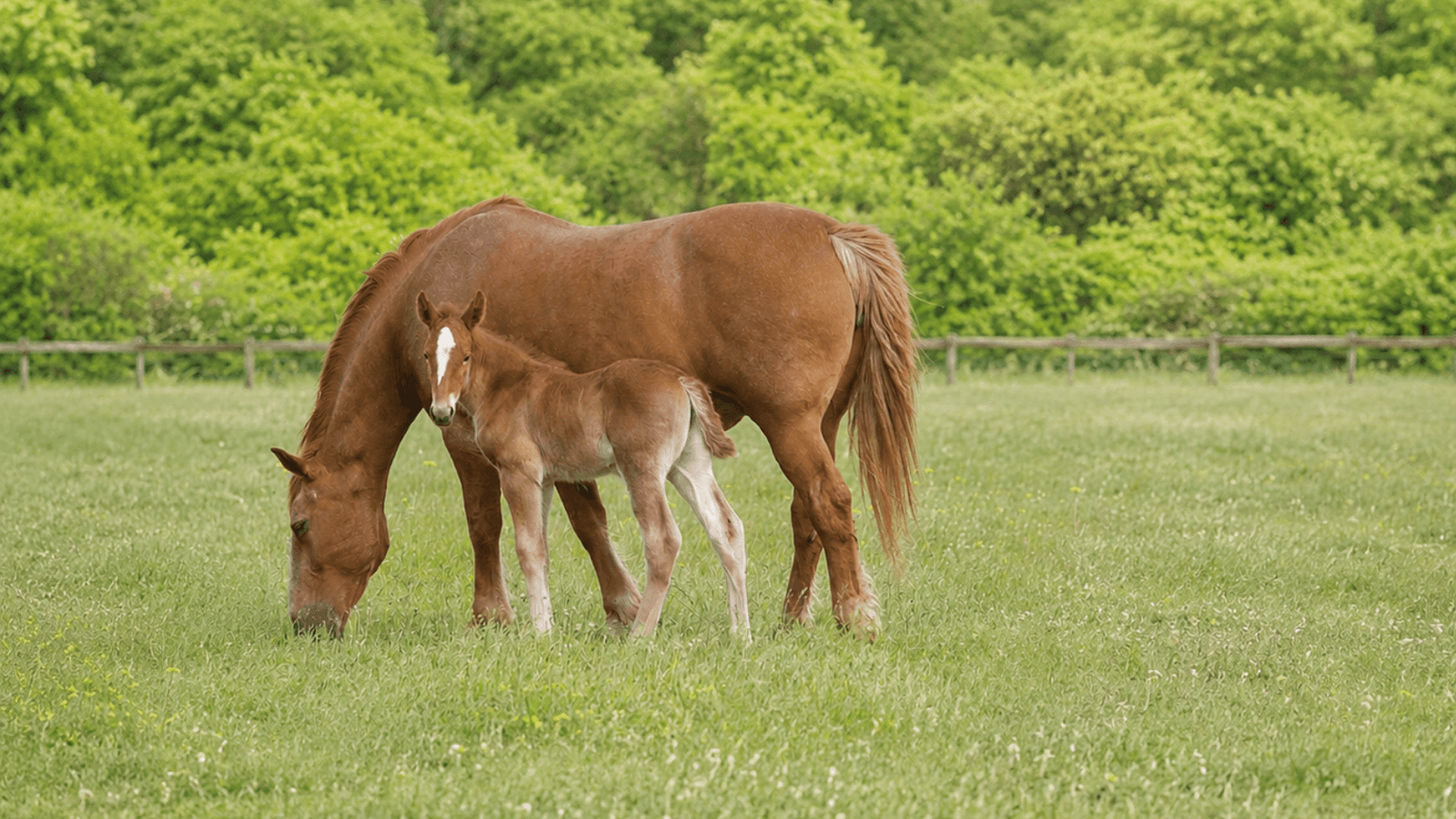
A horse's nutritional requirements change throughout their life and depend heavily on their job. A young, growing foal needs a diet with about 16% to 18% protein to develop properly, while a mature horse in light work can thrive on 10% to 12%. A performance horse training and competing will have even higher demands for energy and amino acids to repair and build muscle tissue. You can start by matching your horse’s diet to their workload, ensuring they have the fuel they need without excess calories. Our equine supplements are categorized by activity level to make this step easier.
Use Body Condition Scoring to Guide You
Your eyes and hands are some of the best tools you have for assessing your horse's muscle development. While body condition scoring (BCS) helps you evaluate fat cover, the Topline Evaluation System (TES) focuses specifically on the muscles over the wither, back, and croup. Regularly run your hands over these three areas to feel the muscle. A well-muscled horse will have a full, rounded topline, earning a score of 'A'. If you feel concavity or prominent bones, it’s a clear sign that your horse needs more quality protein and amino acids to fill out their frame.
Spot the Signs of a Nutritional Gap
If you’re putting in the work with a solid exercise program but your horse still has a weak topline or lacks overall muscle, their diet is likely the culprit. This often points to a nutritional gap, meaning their current feed isn't supplying enough high-quality protein and essential amino acids to support both their daily energy needs and muscle synthesis. A horse will always use nutrients to maintain essential bodily functions first. Only when those needs are met will they have the resources left over to build muscle.
Make Dietary Changes Safely
Increasing your horse’s feed can sometimes lead to an increase in excitability, especially if you’re adding high-starch grains. If your horse becomes too "hot" on a new diet, don't give up. Instead, focus on feeds that provide "slow-release" energy from sources like fiber and oils. These provide the calories needed for conditioning without the fizz. Always introduce any dietary changes slowly over a week or two to allow your horse's digestive system to adapt. If you're unsure how to adjust your horse's diet safely, it's always a good idea to ask an equine nutritionist for personalized advice.
How to Tell If Your Horse Is Building Muscle
After carefully adjusting your horse's diet and exercise routine, you’re probably eager to see the results. Building muscle is a gradual process, but you can track progress with a few simple, hands-on techniques. Beyond just looking for a more filled-out frame, you can learn to assess specific muscle groups to see if your new feeding plan is truly working.
Regularly checking your horse’s condition helps you connect the dots between what you’re feeding and how their body is responding. It allows you to make informed adjustments instead of just guessing. You’ll want to look for changes in the topline, overall body condition, and your horse’s general energy and performance levels. These signs give you a clear picture of whether your horse is getting the right building blocks to develop strong, healthy muscle.
Track Progress with the Topline Evaluation System
One of the best ways to measure muscle development is by evaluating your horse’s topline. The topline refers to the muscles that run along the spine, from the withers, over the back and loin, and down to the croup. A well-muscled topline supports the rider and is essential for athletic performance. The Topline Evaluation System (TES) is a straightforward method for grading this area. You simply assess the three key sections (wither and back, loin, and croup) and assign a grade from A to D. An "A" grade indicates a full, well-rounded topline, while a "D" grade suggests significant muscle loss. This system gives you a consistent way to track changes over time.
Monitor Body Condition and Adjust Feed
If you notice your horse has a weak or sunken topline, it’s often a sign that their diet is missing something. A horse needs enough quality protein and essential amino acids to not only maintain its current condition but also to build new muscle tissue. If your horse’s diet doesn't provide these key nutrients, their body may start breaking down muscle to meet its energy needs. When you evaluate your horse's condition, look beyond just fat cover. Feel the muscles along their back and hindquarters. If they feel underdeveloped despite consistent work, it’s time to take a closer look at their feed tag and ensure they’re getting what they need.
Know When to Reassess Your Feeding Plan
What happens if you’ve improved the diet and stuck to a solid exercise program, but your horse still isn’t building muscle? This can be frustrating, but it’s an important signal to dig a little deeper. Before you overhaul the feeding plan again, it’s wise to have a veterinarian check for any underlying physical issues. Pain from conditions like kissing spine, saddle fit problems, or gastric ulcers can prevent a horse from using its body correctly, which hinders muscle development. Once you’ve ruled out physical limitations, you can confidently reassess the nutritional plan. If you’re feeling stuck, don’t hesitate to ask an equine nutritionist for guidance.
Create the Right Feeding Plan for Your Horse
Building a strong, healthy horse goes beyond just picking the right bag of feed. The best results come from a holistic approach that considers how diet, exercise, and overall wellness work together. Creating a comprehensive plan ensures that the high-quality nutrients you provide are used effectively to build and repair muscle tissue. Think of it as giving your horse all the tools they need to succeed, not just one. By combining the right feed with a smart exercise schedule and professional guidance, you can create a powerful strategy for achieving your horse's peak physical condition.
Combine Feed, Supplements, and Exercise
You can’t have muscle development without exercise. A structured training program sends the signal to your horse’s body that it needs to build stronger muscles. Your feeding plan is there to provide the building blocks for that growth. Studies show that using balanced protein sources helps exercising horses build muscle mass more effectively.
The timing of your horse's meals can also make a difference. Research suggests that the timing in nutrient delivery after a workout can influence muscle development. Providing a protein-rich meal within a safe window post-exercise can give their body the amino acids needed for repair and growth right when they’re most receptive. It’s a simple adjustment that can make their workouts even more productive.
Don't Forget Hydration for Muscle Recovery
Proper hydration is one of the most important, yet sometimes overlooked, aspects of muscle health. Water is essential for nearly every bodily function, including nutrient transport, temperature regulation, and waste removal. Dehydrated muscles can't function or recover efficiently, which can slow down your progress. Exercise is a key part of your horse's health, influencing everything from metabolic function to musculoskeletal strength.
Always make sure your horse has access to fresh, clean water, especially before and after a workout. Adding electrolytes can also help replace vital minerals lost through sweat during intense exercise, encouraging your horse to drink more and stay properly hydrated for optimal recovery.
Partner with an Equine Nutritionist
Creating the perfect diet can feel overwhelming, but you don’t have to do it alone. Every horse is an individual with unique needs based on their age, workload, and metabolism. An equine nutritionist can help you cut through the confusion and develop a plan that is perfectly tailored to their specific needs. They can analyze your current forage and feed program, identify any nutritional gaps, and recommend specific adjustments or supplements to support muscle growth.
This professional guidance ensures your horse gets exactly what they need without the guesswork. If you have questions about your horse’s diet, partnering with an expert is a great step toward building a healthier, stronger partner.
Related Articles
- Building a Horse’s Topline: Nutrition and Exercise Tips
- My Horse is Lacking in Condition and Muscle Topline – How Can I Improve on This?
- Five Myths of Horse Nutrition
- Best Equine Research: Nutrition for Muscle Development
- Balanced Protein and Muscle Mass in Exercising Horses
Frequently Asked Questions
My horse is getting plenty of protein, so why aren't they building muscle? This is a common point of confusion. It's less about the total amount of protein and more about the quality. For your horse to build muscle, they need specific building blocks called essential amino acids, particularly lysine, methionine, and threonine. Many common feeds and forages don't provide enough of these key components. So, even with a high protein percentage on the feed tag, if those specific amino acids are missing, your horse's body can't effectively use the protein to build a strong topline.
How can I help my easy keeper build muscle without causing them to gain excess weight? This is a great question because you're right to be cautious about adding extra calories. For a horse that maintains weight easily, the best approach is to use a ration balancer or a concentrated vitamin and amino acid supplement. These products are designed to fill the nutritional gaps left by forage, providing the high-quality protein and essential amino acids needed for muscle development without the extra calories, sugar, or starch found in traditional grain mixes.
Is exercise or diet more important for improving my horse's topline? Think of them as a team that can't succeed without the other. Exercise, like hill work and proper flatwork, creates the demand for stronger muscles. It signals to the body that it needs to build and repair tissue. Diet provides the raw materials, specifically amino acids and energy, to actually perform that construction. You can't get a strong topline with one and not the other; they must work together.
How long will it take to see a difference in my horse's muscle development? Building muscle is a marathon, not a sprint. With a consistent exercise program and a properly balanced diet, you can typically start to see and feel a noticeable difference in your horse's topline and overall muscle tone within two to three months. Progress depends on the horse's starting condition, age, and the intensity of their work. Tracking their development with photos and the Topline Evaluation System can help you see the gradual changes.
My horse is gaining weight, but their topline still looks weak. What am I doing wrong? This usually happens when a diet is high in calories but lacks the quality protein needed for muscle synthesis. Calories from fat and carbohydrates are excellent for adding weight and condition, which gives a horse a rounder, softer appearance. However, fat cannot be converted into muscle. A strong, defined topline requires a diet rich in essential amino acids to build that firm muscle tissue. If your horse is gaining fat but not muscle, it's a strong indicator of a nutritional gap in their protein intake.



Leave a comment (all fields required)