



Let’s start with a hard truth: the equine supplement industry is not regulated by the FDA. This means companies can sell products without proving they are safe or effective, and what’s on the label isn’t always what’s in the bucket. This fact alone makes navigating the world of joint supplements incredibly difficult. When you read glowing equine joint supplement reviews, you have to wonder if the results are real or just a placebo effect. This guide is designed to empower you with knowledge. We will pull back the curtain on the industry, teach you how to vet a company, and show you how to identify ingredients that are actually proven to work.
Key Takeaways
- Focus on Proven Ingredients: Look for formulas with research-supported components like MSM and Omega-3s, which are known to help manage inflammation. Remember that combination formulas often provide more comprehensive support for joint health than single-ingredient products.
- Investigate the Company's Reputation: The FDA does not regulate equine supplements, so label claims can be misleading. It's up to you to choose a trustworthy company that is transparent about its quality control and manufacturing, ensuring you get a safe and effective product.
- Be Patient and Monitor Progress: Joint supplements work over time, not overnight, so it may take six to eight weeks to see results. Establish a baseline by taking notes or videos of your horse's movement before you start, which will help you accurately assess if the supplement is making a positive difference.
What Are Equine Joint Supplements?
Equine joint supplements are dietary products designed to support the health and function of your horse's joints. If you have a performance horse, a senior companion, or a horse showing signs of stiffness, you've probably considered adding one to their feed bucket. Many horse owners use them to help manage joint problems like arthritis and to maintain mobility in hardworking equine athletes. But what do they actually do, and how do you know if your horse truly needs one? Let's break it down.
How do they support joint health?
The primary goal of a joint supplement is to maintain the structures that keep your horse moving comfortably. These formulas work in a few key ways. They aim to slow the breakdown of cartilage, the connective tissue that cushions the bones. They also help improve the quality of synovial fluid, the natural lubricant inside the joint capsule. By reducing inflammation and helping to manage pain, a good supplement can make a real difference in your horse's comfort and mobility. Interestingly, research shows that using several joint-supporting ingredients together often produces better results than relying on just one.
Does your horse need one?
Deciding whether to add a joint supplement is a personal choice that depends on your horse's specific situation. It's important to remember that supplements are supportive tools. They are not a cure for arthritis or a substitute for veterinary treatment if your horse is lame. Think of them as one part of a complete wellness plan that includes proper shoeing, conditioning, and veterinary care. Understanding your horse's needs helps you avoid spending money on products that might not be effective. If you're unsure, it's always a great idea to consult with an expert or your veterinarian to create a targeted plan for your horse's joint health.
Decoding the Label: Common Ingredients in Joint Supplements
Walking down the supplement aisle or browsing online can feel overwhelming. Every label lists a variety of ingredients, all promising to support your horse's joint health. But what do they actually do, and which ones are backed by science? Understanding the key players in joint supplements is the first step toward making an informed choice. Let's break down some of the most common ingredients you'll find on the market so you can read any label with confidence.
Glucosamine and Chondroitin Sulfate
Glucosamine and chondroitin are probably the most well-known ingredients in joint supplements, but their effectiveness in horses is debatable. The main issue is poor absorption. Studies show that when given orally, a horse’s body absorbs very little glucosamine, leading to inconsistent or no real benefit for joint health, even at high doses.
Similarly, chondroitin sulfate also has low and unreliable absorption rates in horses. While these ingredients are often included in formulas, research from Mississippi State University suggests they provide little benefit when used on their own. This is why it's so important to look for comprehensive formulas that don't rely solely on these two ingredients to do all the work.
MSM (Methylsulfonylmethane)
MSM, or methylsulfonylmethane, is an organic sulfur compound that plays a key role in reducing inflammation and oxidative stress. This makes it particularly beneficial for performance horses that experience physical stress from regular training and competition. Research has shown that MSM can help competitive jumping horses recover from exercise by easing inflammation.
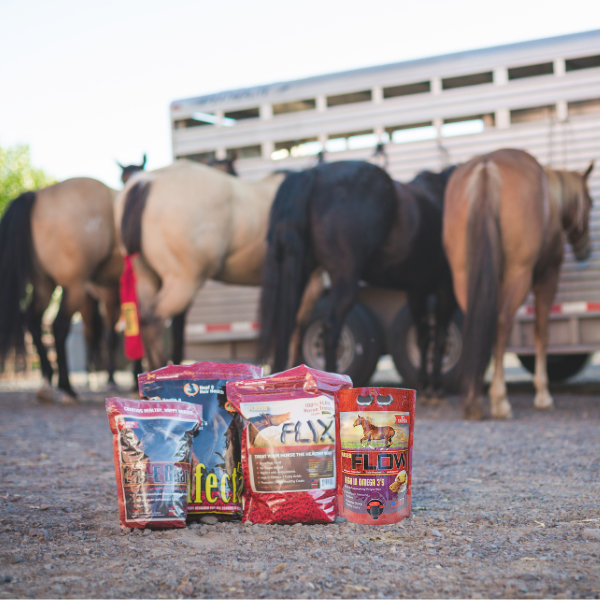
Because it directly addresses exercise-induced stress, MSM is a valuable component in any joint supplement for an active horse. It supports their comfort and helps maintain healthy joint function over time. You can find MSM in comprehensive formulas like Horse Guard's Trifecta, which combines joint support with vitamins, minerals, and gut health ingredients.
Hyaluronic Acid
Hyaluronic Acid, or HA, is a critical component of joint fluid, acting as a lubricant and shock absorber within the joint. It’s well-known for its effectiveness when injected directly into a horse's joints by a veterinarian. But what about oral supplements?
Interestingly, oral forms of HA have also shown positive effects in horses, helping to improve joint health and reduce lameness. While some scientists question how much is actually absorbed through the digestive system, the results in several studies are promising. For horse owners looking for a non-invasive way to support joint lubrication, a supplement containing a quality source of oral HA is a great option to consider.
Omega-3 Fatty Acids
When it comes to fighting inflammation, Omega-3 fatty acids are a powerhouse. Specifically, EPA (eicosapentaenoic acid) and DHA (docosahexaenoic acid) are highly effective at reducing the inflammatory responses that contribute to joint pain and stiffness. There is strong evidence in humans and good evidence in horses that Omega-3s can improve comfort in animals suffering from arthritis.
Unlike other ingredients with mixed results, the benefits of Omega-3s are well-documented. Adding them to your horse's diet can help manage chronic inflammation and support overall joint wellness. For a high-quality source, consider a supplement like Horse Guard's Flow, which provides essential fatty acids to support a healthy inflammatory response.
Avocado/Soybean Unsaponifiables (ASU)
Avocado/Soybean Unsaponifiables, or ASU, is a natural extract that works by helping to protect cartilage. It helps slow down the enzymes that break down cartilage while also supporting the cartilage's ability to repair itself. On top of that, it has anti-inflammatory properties.
While the mechanism is promising, it's important to know that there is currently limited research on the effects of ASU specifically in horses. It has been studied more extensively in humans and other animals for osteoarthritis with positive results. As an ingredient, it shows potential for protecting joint structures, but more equine-specific studies are needed to fully understand its benefits for our horses.
Green Lipped Mussel and Resveratrol
Green Lipped Mussel is a unique ingredient that has been shown to reduce both inflammation and pain associated with joint issues. One study focusing on lame horses found that it helped improve their symptoms. This natural extract from New Zealand contains a range of beneficial components, including omega-3s, that work together to support joint comfort.
Resveratrol is another ingredient gaining attention. It’s a powerful antioxidant that also helps reduce inflammation. While it shows a lot of promise, research on its effects in horses is still in the early stages. Both Green Lipped Mussel and Resveratrol are interesting ingredients to see in a formula, but it's good to know the current level of scientific backing.
What Does the Science Say?
When you're standing in the feed store aisle, staring at a wall of joint supplements, it's easy to feel overwhelmed. Every label makes big promises, but which ingredients actually deliver? The good news is that we can turn to scientific research to help separate fact from fiction. While the world of equine nutrition is always evolving, studies have given us a much clearer picture of which ingredients are proven performers and which ones might not live up to the hype. Understanding the science helps you make a more informed choice for your horse's long-term soundness and comfort.
Ingredients Backed by Research
Some ingredients have consistently shown positive results in studies. Methylsulfonylmethane, or MSM, is a standout for its role as a strong antioxidant that helps reduce inflammation. Research shows it can decrease exercise-induced oxidative stress in performance horses. Omega-3 fatty acids, particularly EPA and DHA, are also heavily supported by science for their powerful anti-inflammatory effects, which can improve joint comfort in arthritic horses. Another key player is Hyaluronic Acid (HA), a component of joint fluid that provides lubrication and shock absorption. While most effective when injected, oral HA can still support joint fluid quality. These ingredients are the heavy hitters you want to see in a high-quality supplement.
Ingredients with Mixed Results
You've almost certainly heard of glucosamine and chondroitin sulfate. They are two of the most common ingredients in joint supplements, yet the science on their effectiveness is inconsistent. The main issue is bioavailability, which is how much of the substance is actually absorbed and used by the horse's body. Studies show that both glucosamine and chondroitin have very low absorption rates when given orally. Because so little of the ingredient makes it into the bloodstream and to the joints, research has found little to no benefit when these ingredients are fed by themselves. This doesn't mean they're useless, but it does suggest they work best as part of a team rather than as solo players.
Why Combination Formulas Often Work Best
This brings us to a crucial point: synergy. Research increasingly shows that giving horses a combination of joint-supporting ingredients is more effective than using just one. A well-designed formula tackles joint health from multiple angles. It can help manage inflammation, protect against damage from free radicals, and provide the building blocks for healthy cartilage and joint fluid. Think of it like building a house. You need more than just bricks; you also need mortar, wood, and a solid foundation. Similarly, a comprehensive supplement provides a spectrum of nutrients that work together to support the entire joint structure. This multi-faceted approach is why many owners see the best results with combination joint supplements.
Are Joint Supplements Regulated?
When you’re trying to do the best for your horse, it’s natural to assume that the products on the shelf are safe and effective. But the world of equine supplements operates differently than you might think. Understanding the lack of regulation is the first step to becoming a smart, empowered consumer who can see past the marketing and choose a product that truly supports your horse's joint health. It puts the responsibility on us, the horse owners, to do our own research and demand quality.
The Truth About FDA Oversight
Here’s a fact that surprises many horse owners: joint supplements are not approved or regulated by the Food and Drug Administration (FDA). According to researchers, this means "companies don't have to prove their products are safe or work before selling them." Unlike medications, supplements don't undergo rigorous testing for efficacy or safety before they hit the market. The FDA generally only steps in if a product is proven to be harmful after it's already being sold. This leaves a huge gap in oversight, making it crucial for you to understand the regulatory landscape before you buy.
What This Means for Label Accuracy
Because there's no pre-market approval process, a supplement's label might not tell the whole story. Studies have found that "many products don't contain the amount of active ingredients they claim on the label. Some have much less, and some have none at all." This is where a company's reputation and transparency become incredibly important. To combat this issue, look for products with the National Animal Supplement Council (NASC) Quality Seal. Companies that display this seal have committed to higher standards of quality control and accurate labeling, giving you more confidence that you’re getting what you pay for.
How to Vet a Supplement Before Buying
So, how can you sort the good from the bad? One helpful method is the "ACCLAIM" system, which gives you a checklist for evaluating a product. Look for a company with: a recognizable name, clinical experience, clear contents, realistic label claims, proper administration recommendations, lot identification, and manufacturer information. A trustworthy company won't hide this information. They will be proud to share their research, provide contact details, and stand behind their products. When a manufacturer is transparent and easy to reach, like through an Ask the Nutritionist service, it’s a great sign they are committed to quality and customer success.
Debunking 4 Common Myths About Joint Supplements
When you’re trying to do what’s best for your horse, it’s easy to get tangled in a web of marketing claims and barn gossip. The world of joint supplements is especially full of confusing, and sometimes conflicting, information. It can be tough to figure out what’s true and what’s just a well-marketed myth. From questions about government approval to debates over which ingredients are best, these uncertainties can make choosing the right product feel overwhelming. That’s why we’re here to help you sort fact from fiction.
Let’s clear the air and tackle four of the most common misconceptions about equine joint supplements. By understanding the truth behind these myths, you can make more informed, confident decisions for your horse’s long-term health and comfort. Instead of guessing, you’ll be able to assess products with a critical eye and choose a supplement that truly delivers on its promises. After all, your horse is counting on you to get it right.
Myth: "All supplements are FDA-approved and safe."
This is one of the most critical misunderstandings out there. The truth is, equine supplements are not regulated by the Food and Drug Administration (FDA) in the same way drugs are. This means companies can bring products to market without first proving they are safe or even effective. This lack of pre-market approval places a huge amount of responsibility on you, the horse owner, to do your own research. It’s why choosing a brand with a long-standing reputation for quality and transparency is so important. You need to trust that the company has done its due diligence, even when it isn't required to.
Myth: "The label always reflects what's inside."
Unfortunately, this myth is a direct consequence of the first one. Since there’s no strict oversight, what’s on the label isn’t always what’s in the bucket. Independent studies on equine joint supplementation have found that many products don’t contain the amount of active ingredients they claim. Some have significantly less, while a few have been found to have none at all. To protect your horse and your wallet, look for companies that voluntarily participate in third-party testing and are transparent about their manufacturing processes. A trustworthy company will stand behind its ingredient list and be able to prove its product’s potency.
Myth: "Glucosamine alone is enough."
Glucosamine is probably the most well-known joint ingredient, so many people assume it’s all a horse needs. While it’s a key building block for cartilage, research shows that its effectiveness when used alone is inconsistent. Some studies show little to no benefit for joint health when glucosamine is the only active ingredient, even at high doses. The most effective joint supplements for horses often use a combination of ingredients like Glucosamine, Chondroitin, and MSM. These compounds work together synergistically, each playing a different role in supporting cartilage, managing inflammation, and promoting healthy joint fluid.
Myth: "Results should be immediate."
We all want a quick fix, but joint supplements don’t work like a painkiller. They aren’t designed to provide immediate, dramatic relief. Instead, they work by providing the body with the building blocks needed to support and maintain healthy joint structures over time. It can take six to eight weeks, or even longer, for these ingredients to accumulate in your horse’s system and start making a noticeable difference. Be patient and consistent with the supplement. It’s also important to remember that other factors, like a balanced diet and appropriate exercise, play a huge role in your horse’s overall soundness.
How to Choose the Right Joint Supplement
Walking down the supplement aisle or browsing online can feel overwhelming. With countless options promising to support your horse's joints, how do you pick the right one? The best approach is to focus on your horse's individual needs. By breaking it down into a few key factors, you can confidently choose a supplement that provides targeted, effective support.
Consider Your Horse's Age and Workload
A young horse in light work has very different needs than a senior companion or a top-level performance horse. Think about the daily demands placed on your horse's joints. Performance horses endure significant wear and tear from training and competition, so they often benefit from proactive support to maintain healthy cartilage and joint fluid. As research suggests, older horses or performance horses might need more support to stay comfortable and mobile. For senior horses, a joint supplement can be key to preserving their quality of life as they age, helping them move freely in the pasture.
Assess Existing Joint Conditions
If you suspect your horse is already dealing with stiffness or a diagnosed condition like arthritis, your first call should always be to your veterinarian. A proper diagnosis is essential for creating an effective management plan. Your vet can help you understand the specific issue and recommend ingredients that will provide the most benefit. It's also critical to discuss any new supplement with your vet if your horse is on medication, as this helps you avoid potential interactions. Once you have a professional opinion, you can make a more informed choice or even ask follow-up questions to an equine nutritionist.
Powder, Pellet, or Liquid: Which Is Best?
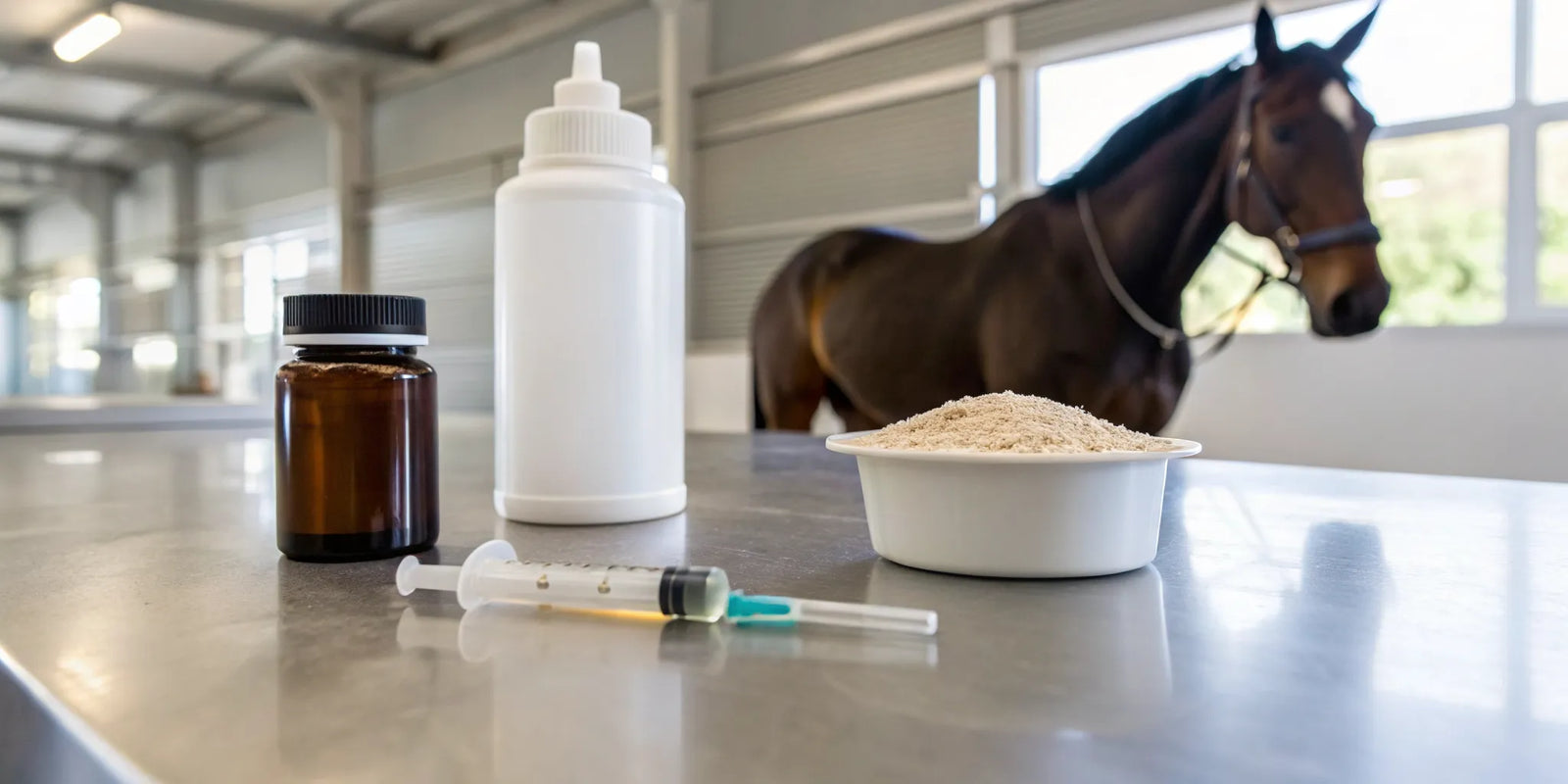
Joint supplements come in several forms, and the best one is simply the one your horse will eat without a fuss. Powders are a popular choice and mix easily into grain. Pellets are often more appealing to picky eaters who tend to sift out powders. Liquids can be top-dressed on feed or administered directly with a syringe, offering good absorption, but they can sometimes be pricier. Since consistency is key for seeing results, choose the form that fits seamlessly into your feeding routine. The goal is to find a high-quality product that your horse will consume daily.
Understanding Dosage and Bioavailability
A supplement is only effective if your horse's body can actually absorb and use its ingredients. This is known as bioavailability. If an ingredient isn't bioavailable, it passes through the digestive system without providing any real benefit, essentially wasting your money. Unfortunately, many products on the market lack scientific proof of effectiveness and may not contain what the label claims. Look for companies that are transparent about their ingredient sourcing and formulations. High-quality, bioavailable ingredients, like the organic selenium found in Horse Guard products, ensure your horse gets the full benefit from every scoop.
How to Read Supplement Reviews Like a Pro
When you’re trying to do right by your horse, scrolling through product reviews can feel overwhelming. One person swears a supplement worked miracles, while another says it did nothing. So, how do you cut through the noise and find feedback you can actually trust? It comes down to learning how to spot the difference between a genuine experience and clever marketing.
Separating Science from Marketing Hype
First, it’s important to know that equine joint supplements are not approved or regulated by the FDA in the same way medications are. This lack of strict oversight means companies can make bold claims without necessarily having the scientific proof to back them up. This is where marketing can get a little fuzzy. A flashy ad might promise dramatic results, but that doesn't make it true. Your job is to be a discerning advocate for your horse, looking past the hype to find what’s genuinely effective and safe. Think of yourself as a detective, gathering clues to make the best possible choice for your partner's long-term health and comfort.
What to Look for in a Helpful Review
A truly helpful review goes beyond a simple "I loved it!" or "It didn't work." Look for details. Did the owner see specific, observable changes in their horse's comfort, mobility, or willingness to work? Did they mention how long it took to see those changes? The most valuable reviews often describe the horse's situation before starting the supplement, giving you a clearer picture of the results. Beyond individual reviews, consider the company itself. Reputable brands are transparent about their ingredients, invest in quality control, and often have experts on staff you can talk to. If you’re ever unsure, it’s always a great idea to consult with an equine nutritionist to get a professional opinion.
Red Flags on Labels and in Reviews
Just as there are signs of a good review, there are red flags that should make you pause. Be wary of products that rely on a single "miracle" ingredient, especially if research on its effectiveness is mixed. Studies have shown that some products don't even contain the amount of active ingredients listed on the label. If a review promises instant, dramatic results, take it with a grain of salt; true joint support is a gradual process. Also, be cautious of supplements with vague ingredient lists or proprietary blends that hide the exact amounts of what’s inside. Your horse deserves a product that is both honest and effective, so don't be afraid to demand transparency.
Potential Risks and Side Effects
While the right joint supplement can be a game-changer for your horse's comfort and mobility, it's smart to be aware of the potential downsides. The main reason for this is the lack of strict government oversight in the equine supplement industry. Unlike prescription drugs, supplements are not required to go through the same rigorous FDA approval process to prove they are safe or effective before they hit the shelves. This puts the responsibility on you, the horse owner, to be a discerning and educated consumer.
This is why choosing a brand with a long-standing reputation for quality and transparency is so important. The best companies are committed to safety and voluntarily conduct testing to ensure their products are pure and accurately labeled. Before starting any new supplement, it’s always a good idea to discuss it with your veterinarian. They can help you weigh the pros and cons for your horse's specific situation. If you have questions about a particular ingredient, you can also ask an equine nutritionist for expert guidance. Being proactive and informed is the best way to protect your horse's health.
Medication Interactions
One of the biggest unknowns with supplements is how they might interact with prescription medications. Because they aren't regulated as drugs, companies aren't required to conduct formal studies on how their ingredients might affect medications like NSAIDs (such as Bute or Banamine), corticosteroids, or other treatments your horse may be receiving. An ingredient that is perfectly safe on its own could potentially interfere with the absorption or effectiveness of a necessary medication. This is why full transparency with your veterinarian is non-negotiable. Your vet needs a complete picture of everything your horse consumes, including supplements and treats, to provide the safest and most effective care possible.
Signs of a Poor Reaction
Because the supplement industry isn't tightly regulated, the quality between products can vary dramatically. This lack of oversight creates risks, including the potential for contamination. Low-quality products may contain harmful substances like heavy metals, pesticides, or even trace amounts of banned drugs, which can lead to serious health issues or failed drug tests in competition horses. Signs of a poor reaction can range from mild digestive upset, like diarrhea, to more serious issues like colic, skin reactions like hives, or a sudden change in behavior. If you notice any negative changes after starting a new supplement, stop giving it immediately and consult your veterinarian.
Are Joint Supplements a Worthwhile Investment?
If you’re reading this, you’re probably wondering if joint supplements are actually worth the money. It’s a great question, and the answer isn’t a simple yes or no. Many owners, especially those with performance or senior horses, add a joint supplement to their feeding routine to help manage the effects of wear and tear. The challenge is that these products exist in a bit of a gray area. Unlike medications, equine supplements are not regulated by the FDA.
This lack of oversight creates a few potential issues for horse owners. Without a governing body ensuring accuracy, you might run into products with inconsistent dosing, misleading advertising, or even contamination. On top of that, the scientific evidence for many joint supplement ingredients is mixed, with some studies showing benefits while others are inconclusive. This means the responsibility falls on us, as owners, to do our homework. A worthwhile investment is one that is both safe and effective, and finding that requires a sharp eye and a bit of research.
Set Realistic Expectations
Before you add any supplement to your horse's feed, it's important to know what you can realistically expect. Joint supplements are designed to support your horse’s existing joint structures, not to reverse significant damage or cure arthritis. Their goal is to help slow the breakdown of cartilage, improve the quality of joint fluid, and manage inflammation and the associated discomfort.
While some ingredients are incredibly popular, they don't all have the same level of scientific backing. For example, glucosamine and chondroitin sulfate are two of the most common ingredients on the market, but some research suggests they are not absorbed well by horses and don't consistently produce clear benefits. Setting realistic goals from the start will help you fairly assess if a supplement is making a positive difference for your horse.
How to Track Your Horse's Progress
So, how do you know if the supplement you chose is actually working? The key is to be a meticulous observer. Before you start, establish a baseline. Take videos of your horse walking and trotting in a straight line, and perhaps lunging in both directions. Keep a simple journal to note their stiffness, willingness to work, and comfort level. After about 60 to 90 days on the supplement, take new videos and compare.
This careful tracking helps you avoid wasting money on a product that isn't helping. To give yourself the best chance of success, choose a quality product from the start. Some veterinarians recommend using the "ACCLAIM" principle to vet a supplement before you buy, which provides a checklist for evaluating the manufacturer, label claims, and contents.
Explore Horse Guard's Joint Health Solutions
We've talked about the mixed results from single ingredients and the importance of a comprehensive approach. This is where a well-formulated supplement can make a real difference. In fact, research often shows that using several supportive ingredients together works better than relying on just one. Taking care of your horse's joints early with a proactive nutritional strategy is one of the best things you can do for their long-term soundness and comfort.
At Horse Guard, we focus on creating multi-ingredient formulas that provide a synergistic blend of nutrients. Our Trifecta and Super Weight Gain supplements include key vitamins, minerals, and fatty acids alongside powerful joint support ingredients to promote overall wellness from the inside out.
Frequently Asked Questions
How long will it take to see if a joint supplement is working? Patience is key when it comes to joint supplements. They aren't a quick fix like a painkiller; instead, they work gradually by providing your horse's body with the nutrients needed to support joint structures over time. You should plan on giving a new supplement consistently for at least 60 to 90 days before you assess its effectiveness. The best way to know if it's helping is to establish a baseline before you start, perhaps by taking videos of your horse moving, and then comparing them after a couple of months.
My horse is young and healthy. Should I still consider a joint supplement? This really depends on your horse's job. For a young horse in intense training or competition, a joint supplement can be a smart, proactive strategy. The stress of high-impact work can cause wear and tear, so providing supportive nutrients early on can help maintain healthy cartilage and joint fluid for the long run. For a young horse in light work or living as a pasture companion, a high-quality, balanced diet might be all they need.
Why do so many supplements contain glucosamine if the research is mixed? Glucosamine is a well-known building block for cartilage, which is why it became a popular ingredient. However, studies have shown that when given orally to horses, it isn't absorbed very well, which is why its benefits can be inconsistent when used alone. The most effective formulas don't rely on just one ingredient. Instead, they combine glucosamine with other compounds like MSM, HA, and Omega-3s that work together to support the entire joint from multiple angles, like managing inflammation and lubricating the joint.
Since supplements aren't FDA-regulated, what's the best way to find a trustworthy brand? This is the most important question you can ask. Since companies don't have to prove their products work before selling them, the responsibility falls on us. A great first step is to look for the National Animal Supplement Council (NASC) Quality Seal on the label. This shows the company has voluntarily agreed to higher manufacturing and labeling standards. You should also choose brands that are transparent, provide clear ingredient lists with exact amounts, and make it easy for you to contact them with questions.
Can a joint supplement fix my horse's arthritis? No, a joint supplement cannot cure arthritis or reverse existing joint damage. It's very important to have realistic expectations. The goal of a supplement is to support your horse's comfort and mobility by helping to manage inflammation and providing the building blocks for healthy cartilage. Think of it as one supportive tool in a complete management plan that should always be developed with your veterinarian.






Leave a comment (all fields required)