



As a horse owner, you’re always looking for simple, natural ways to support your horse’s well-being. If you’re dealing with issues like stiff joints, seasonal skin allergies, or minor digestive upset, flaxseed can be a game-changer. Its high concentration of anti-inflammatory omega-3 fatty acids helps manage these problems from the inside out. While many people talk about its benefits, few explain the practical steps to get started. Choosing the right form and serving size is critical for seeing results. This article will give you clear, actionable advice on how to introduce this superfood, including the key question of how much flaxseed to feed a horse to address specific health goals or simply for daily maintenance.
Key Takeaways
- Opt for Ground Flaxseed: Whole flaxseeds often pass through your horse undigested, so grinding is essential for them to absorb the nutrients. For a hassle-free routine, choose a stabilized ground flax product that offers a long shelf life and consistent benefits.
- Introduce It Gradually: To keep your horse's digestive system happy, start with just a small amount of flaxseed and slowly increase it over two to three weeks. A good maintenance dose is around one to two ounces of pure flaxseed oil per day, but you can tailor this to your horse's specific needs.
- Use It as Part of a Balanced Diet: Think of flaxseed as a key ingredient, not the whole recipe. It provides amazing omega-3s but lacks essential vitamins and minerals, so it's important to also feed a complete supplement to fill those nutritional gaps.
Why Add Flaxseed to Your Horse's Diet?
If you've spent any time around the barn, you've probably heard people talking about flaxseed. It's more than just a trend; this tiny seed packs a serious nutritional punch. Adding it to your horse's feed can bring a whole host of benefits, from a gleaming coat to better joint comfort. Let's look at exactly why so many horse owners swear by it.
Fight Inflammation with Omega-3s
One of the biggest reasons to love flaxseed is its high concentration of omega-3 fatty acids. Think of these as your horse's internal anti-inflammatory team. A diet rich in omega-3s helps balance the inflammatory response throughout the body, which can be a game-changer for overall wellness. This is especially helpful for horses dealing with skin irritations like sweet itch or general stiffness. By feeding flaxseed, you're providing a natural, plant-based way to help manage inflammation from the inside out, supporting comfortable movement and healthier skin.
Improve Coat, Skin, and Hoof Health
Who doesn't love a horse with a deep, glossy shine? The healthy fats and omega-3s in flaxseed are famous for producing that show-ring gleam. These nutrients help nourish the skin and hair follicles, resulting in a softer, shinier coat that's less prone to dryness and dandruff. But the benefits aren't just skin deep. The same nutritional components that support a healthy coat also contribute to strong, resilient hooves. If you're looking for that extra bloom and want to support hoof integrity, flaxseed is a fantastic addition to your horse's diet alongside a complete supplement containing Biotin.
Support Healthy Digestion
A happy horse starts with a healthy gut. Flaxseed contains a high amount of soluble fiber, which has a unique and beneficial effect on the digestive system. When this fiber mixes with water in the gut, it forms a gel-like substance called mucilage. This gel can be incredibly soothing to the entire digestive tract, helping to ease passage and support a stable gut environment. For horses prone to digestive upset, this gentle fiber source can be a simple yet effective way to promote regularity and comfort. It's a great tool for maintaining your horse's overall digestive health.
Which Horses Benefit Most from Flaxseed?
While nearly any horse can benefit from flaxseed, it's particularly valuable for horses with specific dietary restrictions. Flaxseed is naturally low in sugar and starch, making it a safe choice for horses with metabolic conditions. If you manage a horse with insulin resistance, PPID (Cushing's disease), or PSSM, flaxseed provides valuable calories and omega-3s without the risk of high-starch grains. It's an excellent way to support the nutritional needs of your senior horse or easy keeper while keeping their metabolic health front and center.
Whole, Ground, or Oil: What's the Best Flaxseed for Your Horse?
When you decide to add flaxseed to your horse's diet, you'll quickly find it comes in a few different forms. You might see whole seeds, ground meal, or bottled oil on the shelf. It’s easy to assume they all do the same thing, but the form you choose directly impacts how many nutrients your horse can actually absorb. Getting the most out of this superfood means understanding the pros and cons of each option.
Choosing the right type of flaxseed ensures your horse receives the full spectrum of benefits, from a shinier coat to better joint support. Let's walk through the differences between whole, ground, and oil-based flaxseed so you can make the best choice for your horse's health and your daily routine. We'll also cover a convenient option that combines the best of both worlds.
Whole Flaxseed
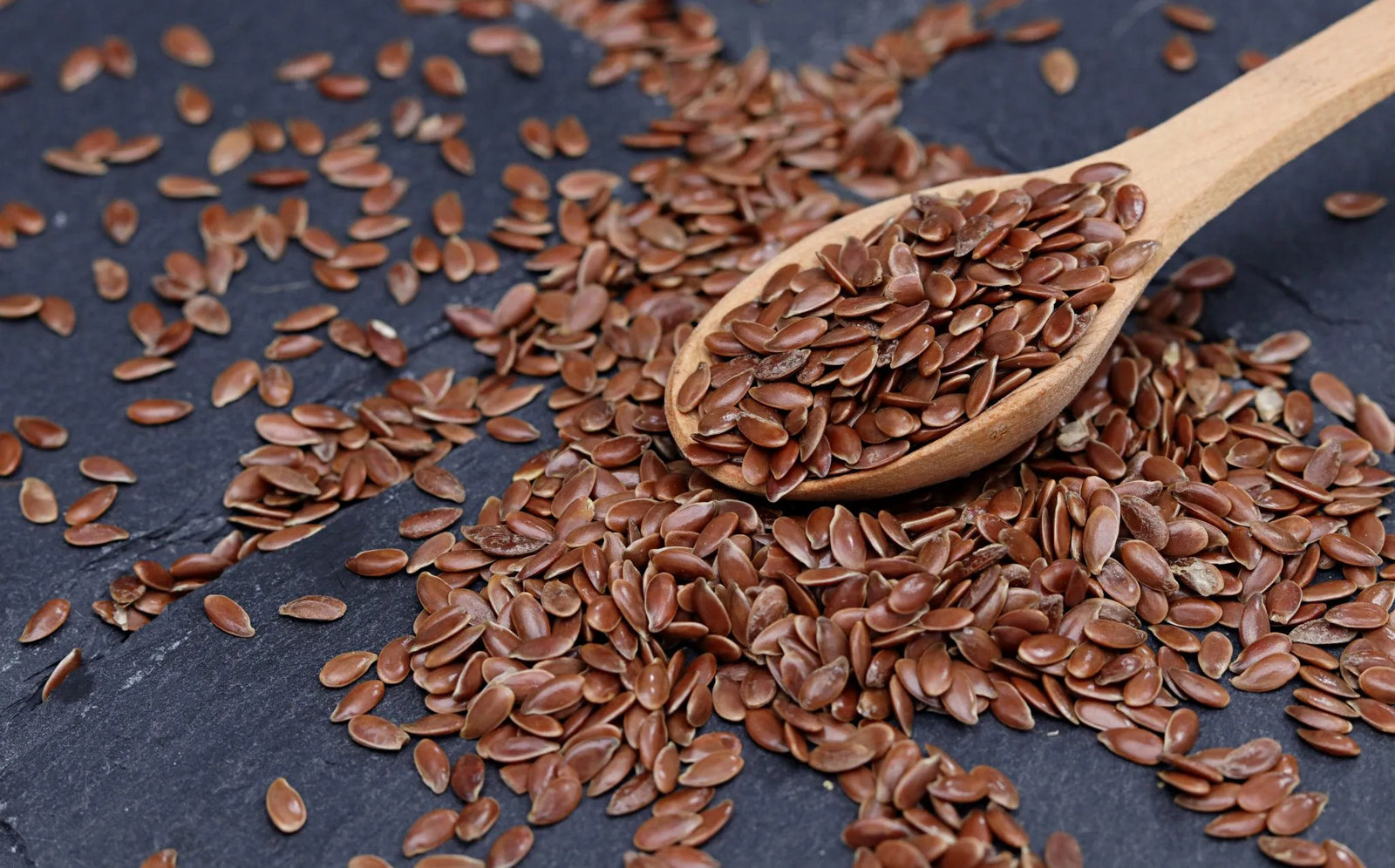
Feeding whole flaxseeds might seem like the most natural route, but it’s often the least effective. Whole flaxseeds have a very tough outer shell that a horse's digestive system can't easily break down. Because horses don't always chew their food thoroughly, many of these tiny seeds pass straight through their system completely undigested. This means your horse misses out on the valuable omega-3 fatty acids and other nutrients locked inside. While it’s a well-intentioned idea, feeding whole flaxseed is mostly just a waste of money, as the benefits will likely end up in the manure pile instead of supporting your horse's digestive health.
Ground Flaxseed
For your horse to get the full nutritional punch, flaxseed needs to be ground. Grinding breaks open that tough outer hull, making the omega-3s, fiber, and lignans inside readily available for absorption. This is why most equine nutritionists agree that ground flaxseed is the best way to deliver its benefits. The only catch is that once the seed is ground, the exposed fats begin to oxidize and can go rancid very quickly, sometimes within a day. If you choose to grind your own, you’ll need to prepare it fresh for each feeding to ensure your horse gets a safe, potent dose. This makes it a highly effective but high-maintenance option.
Flaxseed Oil
Flaxseed oil is a concentrated source of omega-3s and calories, making it an excellent choice if your primary goal is to add fat to your horse’s diet without extra fiber or protein. It’s great for hard keepers who need to gain weight, performance horses with high energy demands, or horses that need a coat boost. However, the oil doesn't contain the beneficial fiber or lignans found in the ground seed, which support digestive health and provide antioxidant properties. Like freshly ground flax, flaxseed oil is also very fragile and prone to spoiling. This is why we stabilize, cold-press, and nitrogen-protect our Flaxseed oil and bag it so the oil is never in contact with oxygen. The unique bag has a pour spout, which lets the oil out, but does not let oxygen in, maintaining all of the benefits and protecting from oxidation.
Stabilized Flaxseed: The Convenient Option
Stabilized ground flaxseed offers the perfect solution for most horse owners. This product is simply ground flaxseed that has undergone a special heat-treating process to protect the delicate fats from oxidation. This stabilization gives it a much longer shelf life (often up to a year) without compromising its nutritional value. You get all the benefits of fresh ground flaxseed, including the omega-3s, fiber, and protein, without the daily chore of grinding. This is why high-quality supplements, like Horse Guard's flaxseed supplement line, use stabilized ground flaxseed to deliver consistent, reliable nutrition in every scoop. It’s the most convenient and effective way to make flaxseed a regular part of your horse’s diet.
How Much Flaxseed Should You Feed Your Horse?
Figuring out the right amount of flaxseed for your horse isn’t a one-size-fits-all formula. The ideal daily serving depends on your horse's weight, workload, and overall health goals. Are you looking to add a bit of shine to their coat, or are you trying to support them through a specific health challenge? The answer will guide how much you scoop or pour into their feed bucket. As with any change to their diet, it’s always best to start with a small amount and increase it gradually over a week or two. This gives their digestive system time to adjust. Below, we’ll break down the recommended amounts for different situations so you can find the perfect serving for your horse.
Daily Feeding Guide by Horse Weight
For a healthy, 1,000-pound horse in light work, a great starting point is between one and two ounces of pure flaxseed oil per day. This amount is perfect for general maintenance and supporting a beautiful coat. However, you can adjust this based on your horse’s specific needs.
For an easy keeper or overweight horse, you can scale back to one ounce daily. If you have an underweight horse that needs help gaining condition, you can increase the serving to two ounces or more per day. For horses in a consistent work program, feeding one-and-a-half to two ounces a day can provide the extra fat and anti-inflammatory benefits they need to perform their best.
Feeding for Maintenance vs. Specific Health Needs
While a daily one to two ounces of pure flaxseed oil is great for maintaining health, sometimes you need a more therapeutic dose to address a specific issue. If your horse is struggling with skin allergies, a dull coat, or needs to gain significant weight, a higher amount may be beneficial. For these situations, you can feed more flaxseed oil per day. This concentrated dose delivers a powerful punch of omega-3s to help reduce inflammation and support healing.
Once you see improvement, you can gradually reduce the amount back to a maintenance level. Think of it as a short-term plan to get your horse back on track. Combining flaxseed with a complete vitamin-mineral supplement ensures your horse gets all the essential nutrients needed for optimal health. A product like Horse Guard can fill any nutritional gaps in their diet.
Adjusting Dosages for Health Conditions
One of the best things about flaxseed is that it’s very low in sugar and starch, making it a safe choice for horses with metabolic conditions. To help horses with metabolic issues, chromium and magnesium glycinate have been shown to improve insulin sensitivity and help maintain normal blood glucose levels. Flaxen Metab combines chromium, magnesium glycinate, and natural Vitamin E and is carried in a stabilized flaxseed base. A great option for insulin-resistant horses. If your horse has Insulin Resistance (IR), PPID (Cushing’s), or PSSM, you can confidently add flaxseed to their diet without worrying about high NSC levels. For an overweight horse with one of these conditions, it’s wise to stick to less than one ounce per day of pure flaxseed oil, especially if they are not in work.
How to Grind Your Own Flaxseed
If you're using whole flaxseeds, grinding them right before mealtime is the gold standard. The tough outer hull of the seed can make it difficult for some horses to digest, meaning the seeds might pass right through them without releasing their nutritional goodness. A quick spin in a coffee grinder or blender breaks them open, making all those healthy fats available. Grinding fresh also ensures the delicate omega-3 oils don't have time to oxidize from air exposure, which can cause them to go rancid and lose their benefits. Think of it as making a fresh salad; you get the best flavor and nutrients right after you chop the veggies.
Mixing Flaxseed into Your Horse's Feed
When adding anything new to your horse's diet, the key is to go slowly. A sudden introduction of flaxseed, with its high fat and fiber content, can sometimes cause digestive upset. I recommend you add new feeds like flax to your horse's diet gradually over a week or two. Start with just a tablespoon or two mixed into their regular grain and increase the amount every few days until you reach the desired serving. If you prefer to grind a small batch ahead of time, only prepare enough for a couple of days. Store the ground flax in an airtight container in the refrigerator to keep it fresh and potent for your horse's next meal.
Storing Flaxseed: Stabilized vs. Freshly Ground
Proper storage is crucial because the healthy fats in flaxseed can spoil when exposed to light, air, and heat. If you buy whole flaxseeds, keep them in a cool, dark, and dry place, and they’ll stay fresh for up to a year. For freshly ground flax, an airtight container in the fridge is your best bet, but you should use it within a few days to prevent the healthy oils from going bad.
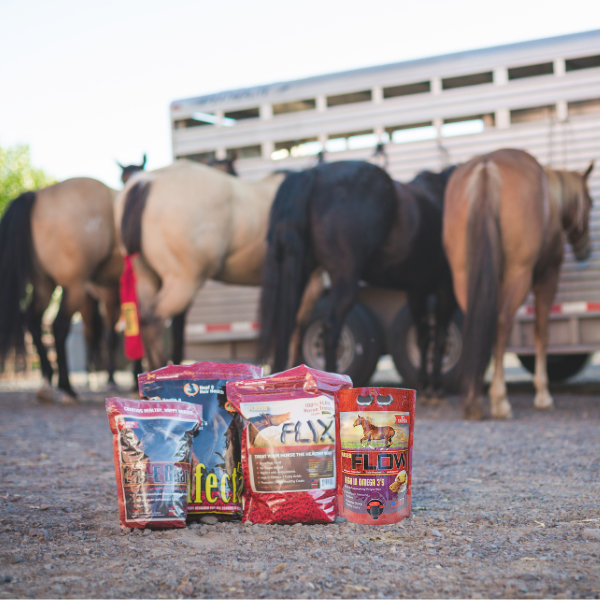
If daily grinding doesn't fit your schedule, stabilized ground flaxseed is an excellent, convenient option. This type of flax has been heat-treated, a process that protects the fats from spoiling and gives it a much longer shelf life without refrigeration. This way, you can be sure your horse is getting all the benefits without the extra prep work. Horse Guard has two great options for getting your horse pure, stabalized flaxseed without having to grind your own or worry about them going rancid. Flaxen Flow oil and Flix heathy horse treats.
How to Introduce Flaxseed to Your Horse's Diet
Adding any new ingredient to your horse's feed bucket requires a thoughtful approach, and flaxseed is no exception. Horses have sensitive digestive systems, so the golden rule is to go slow. A gradual introduction gives their gut time to adapt, prevents digestive upset, and helps them get used to the new taste and texture. The good news is that it’s a straightforward process. By following a simple schedule and keeping an eye on your horse, you can make flaxseed a seamless and beneficial part of their daily routine.
A Simple Introduction Schedule
Patience is your best friend when introducing flaxseed. The best way to get started is to add it into your horse’s diet over two to three weeks. Begin with a small amount, just one ounce per day, mixed into their regular grain meal. This tiny addition is usually enough to go unnoticed while allowing their digestive system to adjust.
You can slowly increase the amount every few days until you reach the desired daily serving for your horse’s weight and needs. This slow and steady method supports a healthy gut transition and minimizes the risk of overwhelming their system. A happy digestive tract is key to getting the most out of any supplement, and a gradual start ensures your horse’s digestive health remains in top shape.
Watch for These Positive Signs
One of the most rewarding parts of adding flaxseed is seeing the benefits firsthand. The first change you’ll likely notice is a beautiful shine and softness in your horse's coat, thanks to the high omega-3 content. Over time, you may also see stronger, more resilient hooves.
Beyond the glow-up, flaxseed supports health from the inside out. It aids in maintaining healthy joint and ligament function, which is great for active and senior horses. It also helps with the immune system, seasonal allergies like sweet itch, and even promotes a calmer temperament. Many owners find it helps with digestion and provides a cool-energy source for performance horses, making it a fantastic all-around addition.
Tips for the Picky Eater
Do you have a horse that turns up its nose at anything new? You’re not alone. If your horse is suspicious of ground flaxseed, try mixing it into a wet mash or soaked beet pulp. The moisture and familiar taste can help disguise the new ingredient. It’s also best to add freshly ground flax right before feeding to ensure it’s at its most palatable.
If you grind your own flaxseed, only prepare enough for a couple of days and store it in a sealed container in the refrigerator to keep it from spoiling. For an even easier solution, consider using a stabilized ground flaxseed product. It has a longer shelf life and a consistent taste that many picky eaters prefer. If you’re still struggling, don’t hesitate to ask our equine nutritionist for personalized tips.
Are There Risks to Feeding Flaxseed to Horses?
Flaxseed is a fantastic addition to most horses' diets, but like any supplement, it's wise to be informed about the full picture. Understanding the potential risks and how to manage them ensures you can feed flax with confidence. The main points to consider are some natural compounds within the seeds, the mineral balance of your horse's overall diet, and specific situations where you might want to be more cautious. Most of the concerns you may have heard about are easily managed with proper feeding practices and are very low risk for the average horse. Let's walk through each of these so you can make the best decision for your horse's health.
Cyanogenic Compounds: What You Need to Know
You may have heard that raw flaxseed contains compounds that can release cyanide. While that sounds alarming, the risk to horses is extremely low. A horse's stomach acid is very effective at neutralizing these cyanogenic compounds before they can cause any harm. Extensive use and research have shown that feeding up to one pound of raw, ground flaxseed per day is perfectly safe for a 1,000-pound horse. The natural processes in your horse's digestive system are well-equipped to handle flaxseed, so you can feel confident adding this superfood to their bucket.
Balancing Calcium and Phosphorus
A key principle of equine nutrition is maintaining the right balance of minerals, especially calcium and phosphorus. Flaxseed is high in phosphorus, so it's important to make sure your horse's diet provides enough calcium to offset this. Most of a horse's calcium comes from their forage, so good quality hay or pasture is your first line of defense. If you're feeding a significant amount of flax, you'll want to ensure their total diet maintains a positive calcium-to-phosphorus ratio. A comprehensive vitamin-mineral supplement is an excellent way to fill any nutritional gaps and keep these minerals in check.
Can You Feed Too Much Flaxseed?
It is possible to feed too much of a good thing, but it takes a lot of flaxseed to cause a problem. Research has shown that horses can safely consume up to one pound of flaxseed for every 1,000 pounds of body weight per day. In one study, horses ate this amount for 42 consecutive days without any negative side effects. This confirms that standard feeding amounts are well within the safe range. Sticking to the recommended daily dosage for your horse's weight and health needs will provide all the benefits without the worry of overdoing it.
When to Avoid Feeding Flaxseed
While flaxseed is safe for most horses, there is one situation where you should exercise caution. Flax contains phytoestrogens, which are plant-based compounds that can have mild hormone-like effects. Because of this, it's generally recommended to avoid feeding flaxseed to breeding mares that have a history of fertility problems. If you have concerns about your mare's reproductive health, it's always best to skip the flax and discuss her dietary needs with your veterinarian to create the right plan for her and her future foal.
How Flaxseed Fits into Your Horse's Complete Nutrition Plan
Adding flaxseed to your horse's diet is a fantastic step, but it's just one piece of their overall nutritional puzzle. Think of it as a powerful ingredient, not a complete meal. To truly support your horse's health, you need to see how flaxseed works with other elements of their diet. By understanding its role, you can create a balanced, effective feeding program that addresses your horse's unique needs from every angle. Let's look at how flaxseed compares to other supplements and how it fits into a complete plan.
Flaxseed vs. Fish Oil vs. Chia Seeds
When you're looking for omega-3 sources, you'll often see flaxseed, fish oil, and chia seeds mentioned. While all are great, they work a bit differently. Flax and chia seeds are rich in the plant-based omega-3, ALA (alpha-linolenic acid). Fish oil, on the other hand, contains EPA and DHA, which are the "active" forms of omega-3s ready for the body to use for reducing inflammation.
Horses can convert some ALA into EPA and DHA, but the process isn't very efficient. For general wellness, a shiny coat, and digestive support, flaxseed is an excellent and palatable choice. If you're addressing more significant inflammatory issues like advanced arthritis, your vet might suggest the more direct route of fish oil.
Create a Balanced Diet with Omega-3s
One of the biggest benefits of flaxseed is its ability to balance the omega-3 to omega-6 ratio in your horse's diet. Fresh pasture has a naturally high ratio of anti-inflammatory omega-3s to pro-inflammatory omega-6s. However, most modern horse diets, which rely on hay and fortified grains, flip this ratio. These feeds are typically much higher in omega-6s.
Adding flaxseed helps correct this imbalance. With an omega-3 to omega-6 ratio of about 3:1, flaxseed helps bring your horse's diet closer to what they would consume while grazing naturally. This simple addition helps manage low-grade inflammation throughout the body, supporting everything from joint health to respiratory function.
Fill Nutritional Gaps with a Complete Supplement
While flaxseed is a powerhouse for omega-3s, fiber, and protein, it isn't a complete vitamin and mineral supplement. It won't provide the trace minerals and essential vitamins your horse needs to thrive, especially if they are on a hay-only diet or not receiving a full portion of fortified feed. Think of flaxseed as a teammate to a well-rounded supplement.
To ensure your horse's diet is truly complete, pair flaxseed with a comprehensive vitamin and mineral supplement. A product like Horse Guard is designed to fill these common nutritional gaps, providing the biotin, organic selenium, and other key nutrients that flaxseed lacks. This two-part approach ensures you're supporting both fat balance and core nutritional needs.
When to Talk to Your Vet or Equine Nutritionist
You know your horse best, but you don't have to be a nutrition expert to make great decisions for them. Creating the perfect diet is a team effort. If you're managing a specific health condition, have a high-performance athlete, or just want peace of mind, it's always a good idea to consult a professional. Your veterinarian or an equine nutritionist can help you fine-tune dosages and ensure your horse's entire diet is working in harmony.
They can help you interpret bloodwork, assess body condition, and tailor a plan to your horse's exact needs. If you have questions, don't hesitate to ask an equine nutritionist for guidance.
Frequently Asked Questions
How long will it take to see the benefits of feeding flaxseed? The first change you will likely notice is in your horse's coat, which can start looking shinier and feeling softer within a few weeks of consistent feeding. Deeper benefits, such as improved hoof quality or better joint comfort, take more time to become apparent. Building strong hooves is a slow process, so you might need to wait a few months to see a real difference. The key is consistency.
Is stabilized ground flaxseed as good as grinding it fresh every day? Yes, for most horse owners, it is an equally effective and far more convenient option. Stabilized ground flaxseed has been gently heat-treated to protect the delicate omega-3 fats from spoiling. This means it provides the same nutritional value as freshly ground flax, including the fiber and healthy fats, but with a much longer shelf life. It saves you the daily task of grinding and removes the risk of accidentally feeding rancid flax.
Can I replace my horse's vitamin and mineral supplement with flaxseed? No, flaxseed should be seen as a partner to your horse's main supplement, not a replacement for it. While flaxseed is an amazing source of omega-3 fatty acids and fiber, it does not contain the full spectrum of essential vitamins and trace minerals, like organic selenium, copper, and zinc, that your horse needs for overall health. A complete supplement fills these nutritional gaps, while flaxseed provides targeted benefits.
I've heard flaxseed can be dangerous for horses. Is this true? This is a common concern, but the risk is extremely low when fed correctly. Raw flaxseed contains compounds that can release cyanide, but a horse's digestive system is very efficient at neutralizing them, making standard feeding amounts perfectly safe. The more practical risk comes from feeding flaxseed that has gone rancid from improper storage. As long as you use fresh or properly stabilized flax, you can feel confident you are giving your horse a safe and healthy feed addition.
My horse is an easy keeper. Will flaxseed make them gain weight? Not necessarily. While flaxseed is a source of fat and calories, the amount you feed determines its effect. For an easy keeper or overweight horse, a small daily serving (around one to two ounces of pure flaxseed oil) is usually enough to provide the anti-inflammatory and coat benefits without adding a significant number of calories to their diet. It is a valuable tool for these horses because it is low in sugar and starch, making it a metabolically friendly ingredient.





Leave a comment (all fields required)